Buy flower4you.eu ?
We are moving the project
flower4you.eu .
Are you interested in purchasing the domain
flower4you.eu ?
domain@kv-gmbh.de · 0541-91531010
Buy flower4you.eu ?
Did you find a butterfly outside in the fall?
Butterflies are less commonly seen in the fall as they tend to migrate or hibernate during this time. However, some species of butterflies may still be active in the fall, especially in warmer climates. If you are lucky, you may spot a butterfly outside in the fall, but it is not as common as in the spring and summer. **
When should one plant a butterfly bush?
One should plant a butterfly bush in the spring or fall. This allows the plant to establish its roots before the extreme temperatures of summer or winter. **
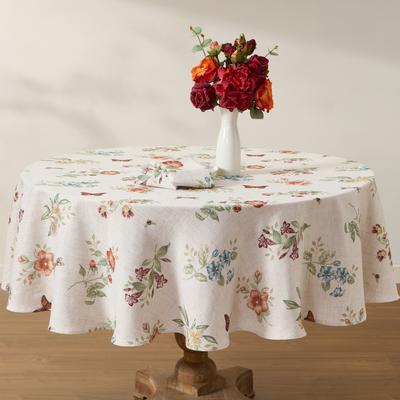

Similar search terms for Lenox-Butterfly-Meadow-Fall
Top-Angebote
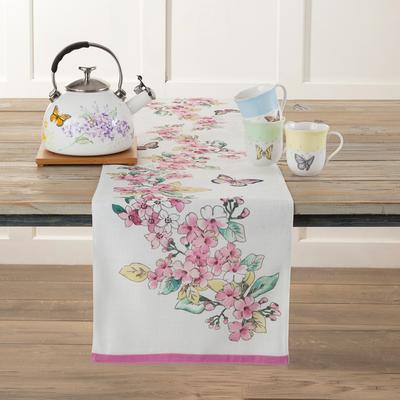
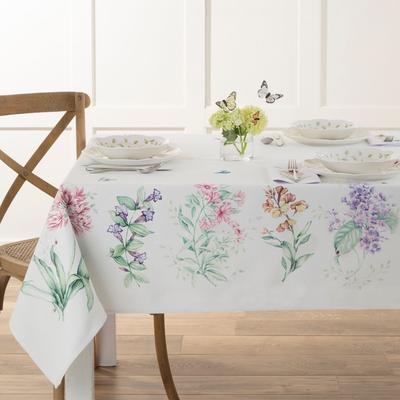
Products related to Lenox-Butterfly-Meadow-Fall:


-
How do I plant a butterfly bush?
To plant a butterfly bush, follow these steps: 1. Choose a location that receives full sun (at least 6 hours of sunlight per day) and has well-draining soil. 2. Dig a hole that is twice as wide and just as deep as the root ball of the plant. 3. Mix in some compost or other organic matter with the soil you removed from the hole. 4. Place the butterfly bush in the hole, making sure the top of the root ball is level with the ground. 5. Backfill the hole with the amended soil, gently tamping it down as you go to remove any air pockets. 6. Water the plant thoroughly after planting to help settle the soil. 7. Mulch around the base of the plant to help retain moisture and suppress weeds. 8. Water the butterfly bush regularly, especially during dry periods, until it becomes established. 9. Prune the plant in early spring to promote healthy growth and flowering. **
-
What kind of wild plant is on our meadow?
The wild plant on our meadow is a species of purple coneflower (Echinacea purpurea). It is a native North American plant known for its vibrant purple petals and spiky orange-brown center. Purple coneflowers are commonly found in meadows and prairies, attracting pollinators like bees and butterflies with their nectar-rich flowers. This plant is also known for its medicinal properties, often used in herbal remedies for its immune-boosting and anti-inflammatory benefits. **
-
What kind of wild plant is that on our meadow?
The wild plant on your meadow appears to be a type of wildflower known as a purple coneflower (Echinacea purpurea). This plant is native to North America and is known for its distinctive pink-purple petals and spiky orange-brown center. Purple coneflowers are often found in meadows and prairies, and they are valued for their ornamental beauty as well as their medicinal properties. They are also attractive to pollinators, making them a beneficial addition to your meadow ecosystem. **
-
What is a floral arrangement?
A floral arrangement is a decorative display of fresh or artificial flowers and foliage that are creatively arranged in a container or vase. These arrangements are often used to enhance the aesthetic appeal of a space, convey emotions, or mark special occasions such as weddings, funerals, or celebrations. Floral arrangements can vary in size, shape, and style, and can be customized to suit individual preferences or themes. Skilled florists use their expertise in color theory, design principles, and flower selection to create visually stunning and harmonious arrangements. **

Why is the butterfly called butterfly in English?
The origin of the word "butterfly" in English is uncertain, but one theory suggests that it may have come from the Old English word "buttorfleoge," which means "butterfly." This could be because butterflies were often seen fluttering around dairy products like butter. Another theory is that the name comes from the yellow color of some species, resembling the color of butter. Ultimately, the exact reason for the name "butterfly" remains a bit of a mystery. **
Can you eat meadow chervil?
Meadow chervil (Anthriscus sylvestris) is a plant that is considered edible and has a flavor similar to parsley. However, it is important to be cautious when foraging for wild plants as misidentification can lead to consuming toxic lookalikes. It is recommended to consult with an expert or guidebook before consuming meadow chervil or any wild plant. **
Top-Angebote
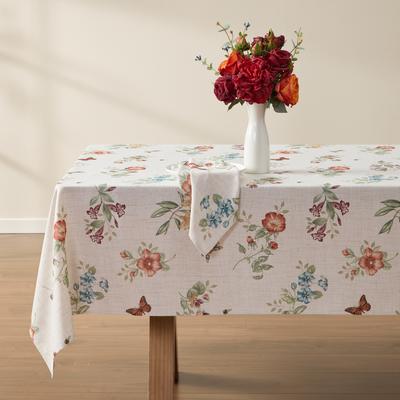
Products related to Lenox-Butterfly-Meadow-Fall:
-
Did you find a butterfly outside in the fall?
Butterflies are less commonly seen in the fall as they tend to migrate or hibernate during this time. However, some species of butterflies may still be active in the fall, especially in warmer climates. If you are lucky, you may spot a butterfly outside in the fall, but it is not as common as in the spring and summer. **
-
When should one plant a butterfly bush?
One should plant a butterfly bush in the spring or fall. This allows the plant to establish its roots before the extreme temperatures of summer or winter. **
-
How do I plant a butterfly bush?
To plant a butterfly bush, follow these steps: 1. Choose a location that receives full sun (at least 6 hours of sunlight per day) and has well-draining soil. 2. Dig a hole that is twice as wide and just as deep as the root ball of the plant. 3. Mix in some compost or other organic matter with the soil you removed from the hole. 4. Place the butterfly bush in the hole, making sure the top of the root ball is level with the ground. 5. Backfill the hole with the amended soil, gently tamping it down as you go to remove any air pockets. 6. Water the plant thoroughly after planting to help settle the soil. 7. Mulch around the base of the plant to help retain moisture and suppress weeds. 8. Water the butterfly bush regularly, especially during dry periods, until it becomes established. 9. Prune the plant in early spring to promote healthy growth and flowering. **
-
What kind of wild plant is on our meadow?
The wild plant on our meadow is a species of purple coneflower (Echinacea purpurea). It is a native North American plant known for its vibrant purple petals and spiky orange-brown center. Purple coneflowers are commonly found in meadows and prairies, attracting pollinators like bees and butterflies with their nectar-rich flowers. This plant is also known for its medicinal properties, often used in herbal remedies for its immune-boosting and anti-inflammatory benefits. **
Similar search terms for Lenox-Butterfly-Meadow-Fall
-
What kind of wild plant is that on our meadow?
The wild plant on your meadow appears to be a type of wildflower known as a purple coneflower (Echinacea purpurea). This plant is native to North America and is known for its distinctive pink-purple petals and spiky orange-brown center. Purple coneflowers are often found in meadows and prairies, and they are valued for their ornamental beauty as well as their medicinal properties. They are also attractive to pollinators, making them a beneficial addition to your meadow ecosystem. **
-
What is a floral arrangement?
A floral arrangement is a decorative display of fresh or artificial flowers and foliage that are creatively arranged in a container or vase. These arrangements are often used to enhance the aesthetic appeal of a space, convey emotions, or mark special occasions such as weddings, funerals, or celebrations. Floral arrangements can vary in size, shape, and style, and can be customized to suit individual preferences or themes. Skilled florists use their expertise in color theory, design principles, and flower selection to create visually stunning and harmonious arrangements. **
-
Why is the butterfly called butterfly in English?
The origin of the word "butterfly" in English is uncertain, but one theory suggests that it may have come from the Old English word "buttorfleoge," which means "butterfly." This could be because butterflies were often seen fluttering around dairy products like butter. Another theory is that the name comes from the yellow color of some species, resembling the color of butter. Ultimately, the exact reason for the name "butterfly" remains a bit of a mystery. **
-
Can you eat meadow chervil?
Meadow chervil (Anthriscus sylvestris) is a plant that is considered edible and has a flavor similar to parsley. However, it is important to be cautious when foraging for wild plants as misidentification can lead to consuming toxic lookalikes. It is recommended to consult with an expert or guidebook before consuming meadow chervil or any wild plant. **
* All prices are inclusive of VAT and, if applicable, plus shipping costs. The offer information is based on the details provided by the respective shop and is updated through automated processes. Real-time updates do not occur, so deviations can occur in individual cases. ** Note: Parts of this content were created by AI.