Buy flower4you.eu ?
We are moving the project
flower4you.eu .
Are you interested in purchasing the domain
flower4you.eu ?
domain@kv-gmbh.de · 0541-91531010
Buy flower4you.eu ?
How can one implement a natural meadow in garden design?
To implement a natural meadow in garden design, one can start by selecting native wildflower seeds and grasses that are well-suited to the local climate and soil conditions. It's important to prepare the soil by removing any existing grass or weeds and loosening the top layer to allow for good seed-to-soil contact. Sowing the seeds in the fall or early spring, and then lightly raking them into the soil, will help promote germination. Regular watering, especially during the establishment phase, and minimal mowing or maintenance will help the meadow thrive and attract pollinators and wildlife. **
How can a natural meadow be implemented in garden design?
To implement a natural meadow in garden design, one can start by selecting native grasses and wildflowers that thrive in the local climate and soil conditions. These plants should be arranged in a way that mimics the natural growth patterns found in meadows, with taller plants towards the back and shorter ones towards the front. It is important to allow the meadow to grow and evolve naturally, only intervening when necessary to control invasive species or promote biodiversity. Additionally, incorporating pathways or seating areas within the meadow can provide opportunities for people to enjoy and interact with this naturalistic garden feature. **
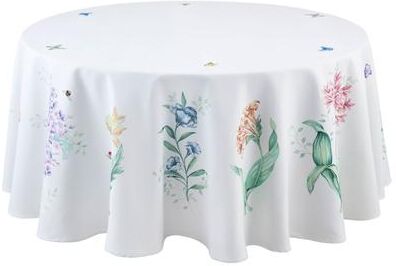

Similar search terms for Lenox-Butterfly-Meadow-Garden
Top-Angebote
Products related to Lenox-Butterfly-Meadow-Garden:
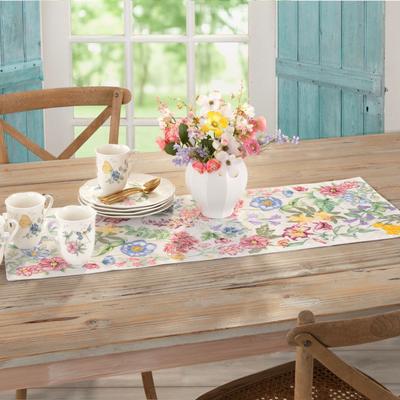
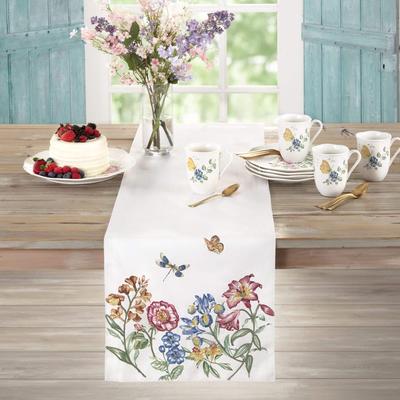


-
Does an agricultural meadow outside of a small garden association count as a small garden?
No, an agricultural meadow outside of a small garden association does not count as a small garden. A small garden typically refers to a cultivated area for growing plants, vegetables, or flowers, while an agricultural meadow is a larger, open area used for growing crops or grazing livestock. The two serve different purposes and have different characteristics, so they are not considered the same. **
-
What is there in the meadow and in the flower herb garden?
In the meadow, you can find a variety of wildflowers, grasses, and other plants. These can include daisies, clover, buttercups, and more, creating a colorful and diverse landscape. In the flower herb garden, you will find cultivated flowers and herbs such as lavender, rosemary, mint, and thyme, which are often grown for their aromatic and culinary uses. Both the meadow and the flower herb garden offer a rich array of plant life, each with its own unique beauty and purpose. **
-
Can you plant a purchased bouquet of flowers in the garden?
Yes, you can plant a purchased bouquet of flowers in the garden. However, it's important to note that not all flowers from a bouquet may be suitable for planting, as some may be cut flowers that are not meant to grow in soil. It's best to identify the flowers in the bouquet and research their planting requirements before attempting to plant them in the garden. Additionally, it's important to remove any wrapping or packaging from the bouquet before planting the flowers in the garden. **
-
When should one plant a butterfly bush?
One should plant a butterfly bush in the spring or fall. This allows the plant to establish its roots before the extreme temperatures of summer or winter. **
How do I plant a butterfly bush?
To plant a butterfly bush, follow these steps: 1. Choose a location that receives full sun (at least 6 hours of sunlight per day) and has well-draining soil. 2. Dig a hole that is twice as wide and just as deep as the root ball of the plant. 3. Mix in some compost or other organic matter with the soil you removed from the hole. 4. Place the butterfly bush in the hole, making sure the top of the root ball is level with the ground. 5. Backfill the hole with the amended soil, gently tamping it down as you go to remove any air pockets. 6. Water the plant thoroughly after planting to help settle the soil. 7. Mulch around the base of the plant to help retain moisture and suppress weeds. 8. Water the butterfly bush regularly, especially during dry periods, until it becomes established. 9. Prune the plant in early spring to promote healthy growth and flowering. **
What kind of wild plant is on our meadow?
The wild plant on our meadow is a species of purple coneflower (Echinacea purpurea). It is a native North American plant known for its vibrant purple petals and spiky orange-brown center. Purple coneflowers are commonly found in meadows and prairies, attracting pollinators like bees and butterflies with their nectar-rich flowers. This plant is also known for its medicinal properties, often used in herbal remedies for its immune-boosting and anti-inflammatory benefits. **
Top-Angebote
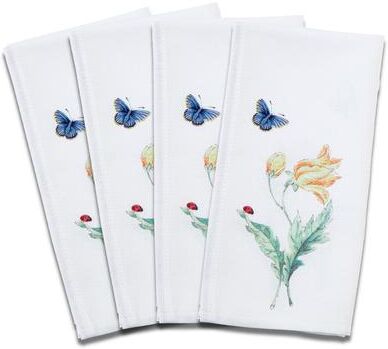
Products related to Lenox-Butterfly-Meadow-Garden:
-
How can one implement a natural meadow in garden design?
To implement a natural meadow in garden design, one can start by selecting native wildflower seeds and grasses that are well-suited to the local climate and soil conditions. It's important to prepare the soil by removing any existing grass or weeds and loosening the top layer to allow for good seed-to-soil contact. Sowing the seeds in the fall or early spring, and then lightly raking them into the soil, will help promote germination. Regular watering, especially during the establishment phase, and minimal mowing or maintenance will help the meadow thrive and attract pollinators and wildlife. **
-
How can a natural meadow be implemented in garden design?
To implement a natural meadow in garden design, one can start by selecting native grasses and wildflowers that thrive in the local climate and soil conditions. These plants should be arranged in a way that mimics the natural growth patterns found in meadows, with taller plants towards the back and shorter ones towards the front. It is important to allow the meadow to grow and evolve naturally, only intervening when necessary to control invasive species or promote biodiversity. Additionally, incorporating pathways or seating areas within the meadow can provide opportunities for people to enjoy and interact with this naturalistic garden feature. **
-
Does an agricultural meadow outside of a small garden association count as a small garden?
No, an agricultural meadow outside of a small garden association does not count as a small garden. A small garden typically refers to a cultivated area for growing plants, vegetables, or flowers, while an agricultural meadow is a larger, open area used for growing crops or grazing livestock. The two serve different purposes and have different characteristics, so they are not considered the same. **
-
What is there in the meadow and in the flower herb garden?
In the meadow, you can find a variety of wildflowers, grasses, and other plants. These can include daisies, clover, buttercups, and more, creating a colorful and diverse landscape. In the flower herb garden, you will find cultivated flowers and herbs such as lavender, rosemary, mint, and thyme, which are often grown for their aromatic and culinary uses. Both the meadow and the flower herb garden offer a rich array of plant life, each with its own unique beauty and purpose. **
Similar search terms for Lenox-Butterfly-Meadow-Garden
-
Can you plant a purchased bouquet of flowers in the garden?
Yes, you can plant a purchased bouquet of flowers in the garden. However, it's important to note that not all flowers from a bouquet may be suitable for planting, as some may be cut flowers that are not meant to grow in soil. It's best to identify the flowers in the bouquet and research their planting requirements before attempting to plant them in the garden. Additionally, it's important to remove any wrapping or packaging from the bouquet before planting the flowers in the garden. **
-
When should one plant a butterfly bush?
One should plant a butterfly bush in the spring or fall. This allows the plant to establish its roots before the extreme temperatures of summer or winter. **
-
How do I plant a butterfly bush?
To plant a butterfly bush, follow these steps: 1. Choose a location that receives full sun (at least 6 hours of sunlight per day) and has well-draining soil. 2. Dig a hole that is twice as wide and just as deep as the root ball of the plant. 3. Mix in some compost or other organic matter with the soil you removed from the hole. 4. Place the butterfly bush in the hole, making sure the top of the root ball is level with the ground. 5. Backfill the hole with the amended soil, gently tamping it down as you go to remove any air pockets. 6. Water the plant thoroughly after planting to help settle the soil. 7. Mulch around the base of the plant to help retain moisture and suppress weeds. 8. Water the butterfly bush regularly, especially during dry periods, until it becomes established. 9. Prune the plant in early spring to promote healthy growth and flowering. **
-
What kind of wild plant is on our meadow?
The wild plant on our meadow is a species of purple coneflower (Echinacea purpurea). It is a native North American plant known for its vibrant purple petals and spiky orange-brown center. Purple coneflowers are commonly found in meadows and prairies, attracting pollinators like bees and butterflies with their nectar-rich flowers. This plant is also known for its medicinal properties, often used in herbal remedies for its immune-boosting and anti-inflammatory benefits. **
* All prices are inclusive of VAT and, if applicable, plus shipping costs. The offer information is based on the details provided by the respective shop and is updated through automated processes. Real-time updates do not occur, so deviations can occur in individual cases. ** Note: Parts of this content were created by AI.