Buy flower4you.eu ?
We are moving the project
flower4you.eu .
Are you interested in purchasing the domain
flower4you.eu ?
domain@kv-gmbh.de · 0541-91531010
Buy flower4you.eu ?
Are civilization diseases not genetic diseases?
Civilization diseases, also known as lifestyle diseases, are not genetic diseases. They are primarily caused by unhealthy lifestyle choices such as poor diet, lack of physical activity, smoking, and excessive alcohol consumption. While genetics can play a role in certain civilization diseases, such as type 2 diabetes and heart disease, the primary contributing factors are environmental and behavioral. Therefore, civilization diseases are not solely genetic in nature. **
Which diseases can occur in a cucumber plant?
Cucumber plants can be affected by a variety of diseases, including powdery mildew, downy mildew, bacterial wilt, anthracnose, and cucumber mosaic virus. These diseases can cause symptoms such as yellowing or wilting of leaves, white powdery spots, dark lesions on the fruit, and stunted growth. Proper cultural practices, such as providing good air circulation, avoiding overhead watering, and practicing crop rotation, can help prevent these diseases in cucumber plants. **


Similar search terms for Diseases
Top-Angebote
Products related to Diseases:
-
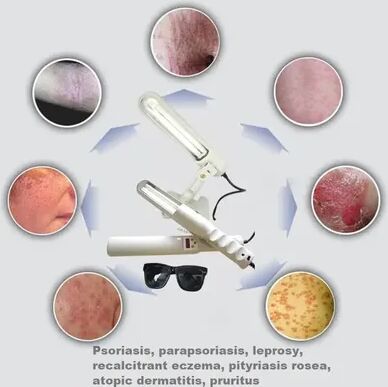
StayWell UV 311nm Ultraviolet Phototherapy Device Uses Philips Lamp UVB To Treat Vitiligo, Psoriasis, White Spots, Skin Diseases 110v Us PlugExperience targeted relief with our UV 311nm Ultraviolet Phototherapy Device Uses a precisionengineered Philips UVB lamp to combat vitiligo, psoriasis, white spots and other stubborn skin diseases. Designed for both home and clinical settings, this...169,97 $*Shipping: 0,00 $Secure redirect to the provider
-
Garvee Handmade Woven Yarn Artificial Flower Bouquet Gift Set – Decorative Faux Flowers ArrangementHandcrafted Yarn & Paper Bouquet: Beautifully woven with Quality yarn, plastic, and paper for a Distinctive, lifelike look. Thoughtful Gift Set: Comes with a 'Best Wishes' card and elegant gift bag, ready for any special occasion.32,19 $*Shipping: 0,00 $Secure redirect to the provider
-
ARCILLA ELEMENTAL Cream Dried Plant Tall Floral Bouquet Home Decor Natural Foliage with Brown StemsThis cream natural foliage can be used to add visual interest to a variety of settings including living rooms, bedrooms or hallways. This item ships in 1 carton.32,99 $*Shipping: 0,00 $Secure redirect to the provider
-
ARCILLA ELEMENTAL Pink or Orange Dried Plant Tall Floral Bouquet Home Decor Natural Foliage with Cream StemsThis pink or orange natural foliage can be used to add visual interest to a variety of settings including living rooms, bedrooms or hallways. This item ships in 1 carton.32,99 $*Shipping: 0,00 $Secure redirect to the provider



-
What is a floral arrangement?
A floral arrangement is a decorative display of fresh or artificial flowers and foliage that are creatively arranged in a container or vase. These arrangements are often used to enhance the aesthetic appeal of a space, convey emotions, or mark special occasions such as weddings, funerals, or celebrations. Floral arrangements can vary in size, shape, and style, and can be customized to suit individual preferences or themes. Skilled florists use their expertise in color theory, design principles, and flower selection to create visually stunning and harmonious arrangements. **
-
How do infectious diseases and genetic diseases differ?
Infectious diseases are caused by pathogens such as bacteria, viruses, fungi, or parasites that can be transmitted from one person to another. These diseases are often preventable through measures such as vaccination, proper hygiene, and avoiding contact with infected individuals. On the other hand, genetic diseases are caused by abnormalities in an individual's genetic makeup and are not typically contagious. They are often inherited from one or both parents and can result in a wide range of health issues, from mild to severe. While infectious diseases can be treated with antibiotics or antiviral medications, genetic diseases often require ongoing management and treatment to alleviate symptoms and improve quality of life. **
-
What are possible diseases of the Black Velvet Alocasia plant?
Possible diseases of the Black Velvet Alocasia plant include root rot, caused by overwatering and poor drainage, which can lead to the plant's roots becoming mushy and discolored. Another potential disease is bacterial leaf spot, which presents as dark, water-soaked spots on the leaves and can be caused by overwatering or high humidity. Additionally, the plant may be susceptible to fungal diseases such as powdery mildew, which appears as a white powdery substance on the leaves, and can be caused by high humidity and poor air circulation. Regularly inspecting the plant for signs of disease and providing proper care, including well-draining soil and appropriate watering, can help prevent these issues. **
-
What is the comparison between genetically inherited diseases and infectious diseases?
Genetically inherited diseases are caused by abnormalities in an individual's genetic makeup, which are passed down from their parents. These diseases are not contagious and cannot be spread from person to person. On the other hand, infectious diseases are caused by pathogens such as bacteria, viruses, or fungi, and can be transmitted from one person to another through various means such as direct contact, airborne particles, or contaminated food and water. While both types of diseases can have serious health implications, the methods of transmission and underlying causes are different. **


What is the name of the pest that causes plant diseases?
The name of the pest that causes plant diseases is a pathogen. Pathogens can be bacteria, viruses, fungi, or other microorganisms that invade plants and cause various diseases. These diseases can lead to reduced crop yields, lower quality produce, and even plant death. It is important for farmers and gardeners to identify and manage these pests in order to protect their plants and ensure a healthy harvest. **
Can horseflies transmit diseases?
Yes, horseflies can transmit diseases to humans and animals through their bites. They are known to carry and transmit diseases such as equine infectious anemia and tularemia. Horsefly bites can also lead to secondary infections due to the bacteria they carry on their mouthparts. It is important to take precautions to prevent horsefly bites, especially in areas where they are prevalent. **
Top-Angebote
Products related to Diseases:
-
DK RHS Pruning & Training, RHS Propagating Plants, RHS Pests & Diseases 3 Books Collection SetRHS Pruning & Training, RHS Propagating Plants, RHS Pests & Diseases 3 Books Collection Set: RHS Pruning & Training: Learn how to prune and train fruit bushes, fruit trees, roses, and woody ornamentals with this best-selling plant-by-plant guide - now in its 4th edition. RHS Propagating Plants: Learn how to propagate virtually every type of plant, from fruit trees and ornamental shrubs to exotic orchids and succulents. Packed with hundreds of step-by-step tutorials, this new edition of RHS Propagating Plants is your go-to guide for clear and instructive propagation advice. RHS Pests & Diseases: Have you got a plant with a problem and don't know how to fix it? This unrivalled practical reference is all you need to nurse it back to health.25,99 £*Shipping: 2,99 £Secure redirect to the provider
-
DK RHS Pests and Diseases The Definitive Practical Guide to Identifying and Treating Garden ProblemsKeep your garden healthy and thriving with RHS Pests and Diseases, the essential reference guide for identifying, understanding, and treating common garden problems.Published by the Royal Horticultural Society, this trusted handbook combines expert advice, detailed photographs, and practical solutions to help gardeners tackle issues affecting flowers, fruit, vegetables, trees, and houseplants. Discover how to recognize symptoms, diagnose causes, and choose the most effective organic or chemical treatments. Whether it’s aphids on roses, mildew on tomatoes, or mysterious leaf spots, this book provides clear, step-by-step guidance to restore your garden to good health. Perfect for beginners and experienced gardeners alike, RHS Pests and Diseases is an indispensable companion for anyone serious about successful, sustainable gardening. Comprehensive A–Z reference of pests, diseases, and disorders Over 1,000 color photographs for easy plant problem identification Expert advice from the Royal Horticultural Society Covers flowers, vegetables, fruit, shrubs, lawns, and houseplants Essential gardening guide for diagnosing and treating problems effectively6,49 £*Shipping: 2,99 £Secure redirect to the provider
-
StayWell UV 311nm Ultraviolet Phototherapy Device Uses Philips Lamp UVB To Treat Vitiligo, Psoriasis, White Spots, Skin Diseases 110v Us PlugExperience targeted relief with our UV 311nm Ultraviolet Phototherapy Device Uses a precisionengineered Philips UVB lamp to combat vitiligo, psoriasis, white spots and other stubborn skin diseases. Designed for both home and clinical settings, this...169,97 $*Shipping: 0,00 $Secure redirect to the provider
-
Garvee Handmade Woven Yarn Artificial Flower Bouquet Gift Set – Decorative Faux Flowers ArrangementHandcrafted Yarn & Paper Bouquet: Beautifully woven with Quality yarn, plastic, and paper for a Distinctive, lifelike look. Thoughtful Gift Set: Comes with a 'Best Wishes' card and elegant gift bag, ready for any special occasion.32,19 $*Shipping: 0,00 $Secure redirect to the provider
-
Are civilization diseases not genetic diseases?
Civilization diseases, also known as lifestyle diseases, are not genetic diseases. They are primarily caused by unhealthy lifestyle choices such as poor diet, lack of physical activity, smoking, and excessive alcohol consumption. While genetics can play a role in certain civilization diseases, such as type 2 diabetes and heart disease, the primary contributing factors are environmental and behavioral. Therefore, civilization diseases are not solely genetic in nature. **
-
Which diseases can occur in a cucumber plant?
Cucumber plants can be affected by a variety of diseases, including powdery mildew, downy mildew, bacterial wilt, anthracnose, and cucumber mosaic virus. These diseases can cause symptoms such as yellowing or wilting of leaves, white powdery spots, dark lesions on the fruit, and stunted growth. Proper cultural practices, such as providing good air circulation, avoiding overhead watering, and practicing crop rotation, can help prevent these diseases in cucumber plants. **
-
What is a floral arrangement?
A floral arrangement is a decorative display of fresh or artificial flowers and foliage that are creatively arranged in a container or vase. These arrangements are often used to enhance the aesthetic appeal of a space, convey emotions, or mark special occasions such as weddings, funerals, or celebrations. Floral arrangements can vary in size, shape, and style, and can be customized to suit individual preferences or themes. Skilled florists use their expertise in color theory, design principles, and flower selection to create visually stunning and harmonious arrangements. **
-
How do infectious diseases and genetic diseases differ?
Infectious diseases are caused by pathogens such as bacteria, viruses, fungi, or parasites that can be transmitted from one person to another. These diseases are often preventable through measures such as vaccination, proper hygiene, and avoiding contact with infected individuals. On the other hand, genetic diseases are caused by abnormalities in an individual's genetic makeup and are not typically contagious. They are often inherited from one or both parents and can result in a wide range of health issues, from mild to severe. While infectious diseases can be treated with antibiotics or antiviral medications, genetic diseases often require ongoing management and treatment to alleviate symptoms and improve quality of life. **
Similar search terms for Diseases
-
ARCILLA ELEMENTAL Cream Dried Plant Tall Floral Bouquet Home Decor Natural Foliage with Brown StemsThis cream natural foliage can be used to add visual interest to a variety of settings including living rooms, bedrooms or hallways. This item ships in 1 carton.32,99 $*Shipping: 0,00 $Secure redirect to the provider
-
ARCILLA ELEMENTAL Pink or Orange Dried Plant Tall Floral Bouquet Home Decor Natural Foliage with Cream StemsThis pink or orange natural foliage can be used to add visual interest to a variety of settings including living rooms, bedrooms or hallways. This item ships in 1 carton.32,99 $*Shipping: 0,00 $Secure redirect to the provider
-
Lesly Flower Balls Arrangement Bouquet 10 PCS"Specifications: Type: Modern Artificial flowers Base Shape: Round Artificial flowers Material: Plastic Base Included: No Base Material: Resin Color: White / Multi Colored / Red Size of the Artificial flowers: 9.4"" L x 9.4"" W x 4.7"" H …"91,99 $*Shipping: 0,00 $Secure redirect to the provider
-
ARCILLA ELEMENTAL Cream Dried Plant Tall Floral Bouquet Home Decor Natural Foliage with Brown StemsThis cream natural foliage can be used to add visual interest to a variety of settings including living rooms, bedrooms or hallways. This item ships in 1 carton.32,99 $*Shipping: 0,00 $Secure redirect to the provider
-
What are possible diseases of the Black Velvet Alocasia plant?
Possible diseases of the Black Velvet Alocasia plant include root rot, caused by overwatering and poor drainage, which can lead to the plant's roots becoming mushy and discolored. Another potential disease is bacterial leaf spot, which presents as dark, water-soaked spots on the leaves and can be caused by overwatering or high humidity. Additionally, the plant may be susceptible to fungal diseases such as powdery mildew, which appears as a white powdery substance on the leaves, and can be caused by high humidity and poor air circulation. Regularly inspecting the plant for signs of disease and providing proper care, including well-draining soil and appropriate watering, can help prevent these issues. **
-
What is the comparison between genetically inherited diseases and infectious diseases?
Genetically inherited diseases are caused by abnormalities in an individual's genetic makeup, which are passed down from their parents. These diseases are not contagious and cannot be spread from person to person. On the other hand, infectious diseases are caused by pathogens such as bacteria, viruses, or fungi, and can be transmitted from one person to another through various means such as direct contact, airborne particles, or contaminated food and water. While both types of diseases can have serious health implications, the methods of transmission and underlying causes are different. **
-
What is the name of the pest that causes plant diseases?
The name of the pest that causes plant diseases is a pathogen. Pathogens can be bacteria, viruses, fungi, or other microorganisms that invade plants and cause various diseases. These diseases can lead to reduced crop yields, lower quality produce, and even plant death. It is important for farmers and gardeners to identify and manage these pests in order to protect their plants and ensure a healthy harvest. **
-
Can horseflies transmit diseases?
Yes, horseflies can transmit diseases to humans and animals through their bites. They are known to carry and transmit diseases such as equine infectious anemia and tularemia. Horsefly bites can also lead to secondary infections due to the bacteria they carry on their mouthparts. It is important to take precautions to prevent horsefly bites, especially in areas where they are prevalent. **
* All prices are inclusive of VAT and, if applicable, plus shipping costs. The offer information is based on the details provided by the respective shop and is updated through automated processes. Real-time updates do not occur, so deviations can occur in individual cases. ** Note: Parts of this content were created by AI.