Buy flower4you.eu ?
We are moving the project
flower4you.eu .
Are you interested in purchasing the domain
flower4you.eu ?
domain@kv-gmbh.de · 0541-91531010
Buy flower4you.eu ?
How can I plant a boxwood in the garden?
To plant a boxwood in the garden, start by choosing a location with well-draining soil and partial shade. Dig a hole twice as wide as the root ball and at the same depth. Gently remove the boxwood from its container and place it in the hole, making sure the top of the root ball is level with the soil surface. Backfill the hole with soil, water thoroughly, and add a layer of mulch around the base of the plant to retain moisture. Water regularly to keep the soil consistently moist until the boxwood is established. **
How do I plant a balcony planter with boxwood?
To plant a balcony planter with boxwood, start by choosing a planter that is large enough to accommodate the size of the boxwood plant. Fill the planter with a well-draining potting mix, leaving enough space at the top for the boxwood to be planted. Remove the boxwood from its nursery container and gently loosen the roots before placing it in the planter. Fill in any gaps with additional potting mix and water the plant thoroughly. Place the planter in a location that receives partial to full sunlight, and water the boxwood regularly to keep the soil consistently moist but not waterlogged. **
Similar search terms for Nearly-Natural-21-Boxwood
Top-Angebote
Products related to Nearly-Natural-21-Boxwood:
-
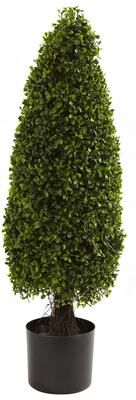
Nearly Natural 3-foot Boxwood Decorative Plant - GreenThe boxwood is a classic 'decorating hedge' with dense leaves, a unique shape, and a tower topiary shape. This decorative plant makes the perfect canvas for a talented horticulturist sporting a trimmer.88,98 $*Shipping: 0,00 $Secure redirect to the provider
-
"Nearly Natural 15"" Boxwood Ball Preserved Plant in Planter - Green"Enhance even the smallest of spaces with this preserved plant showcasing a single ball, perfectly manicured and designed with realistic boxwood foliage in bright, vivid hues.139,49 $*Shipping: 0,00 $Secure redirect to the provider


-
Why doesn't the boxwood grow?
The boxwood may not be growing due to various reasons such as inadequate sunlight, poor soil quality, lack of nutrients, overwatering, or pests/diseases. Boxwoods require well-draining soil, sufficient sunlight, and regular watering to thrive. It is important to assess the growing conditions and address any issues to promote healthy growth in boxwood plants. **
-
Can the boxwood be pruned?
Yes, boxwood can be pruned. In fact, regular pruning is often necessary to maintain the desired shape and size of the plant. Boxwood can be pruned at any time of the year, but it is best to avoid heavy pruning during the hottest part of the summer. When pruning, it is important to use sharp, clean tools and to avoid cutting into old wood, as this can lead to unsightly bare patches. Overall, proper pruning can help promote healthy growth and maintain the appearance of the boxwood plant. **
-
What does our boxwood have?
Our boxwood has dense, evergreen foliage that provides year-round interest in the garden. It also has small, inconspicuous flowers that bloom in the spring. Additionally, our boxwood has a compact, rounded growth habit that makes it a versatile plant for use in hedges, borders, or as a specimen plant. **
-
Have you eaten boxwood leaves?
No, I have not eaten boxwood leaves. Boxwood leaves are not typically consumed as they can be toxic to humans and animals if ingested. It's important to be cautious with plants and ensure that they are safe for consumption before consuming them. If you have any concerns about a specific plant, it's best to consult with a knowledgeable source or expert before consuming it. **


Between which natural numbers lies the square root of 21?
The square root of 21 lies between 4 and 5. This is because 4^2 = 16 and 5^2 = 25, so the square root of 21 must be between these two numbers. Therefore, the square root of 21 is approximately 4.58. **
What is a disease on boxwood?
Boxwood blight is a common disease that affects boxwood plants. It is caused by a fungus called Calonectria pseudonaviculata. Symptoms of boxwood blight include dark spots on leaves, black streaks on stems, and defoliation. This disease can spread quickly and is often difficult to control, making it important to promptly identify and treat infected plants. **
Top-Angebote
Products related to Nearly-Natural-21-Boxwood:
-
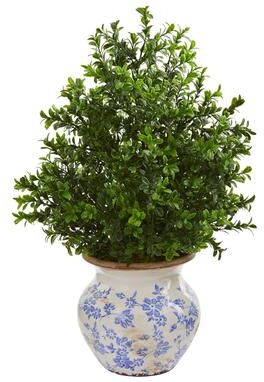
Nearly Natural "21"" Boxwood Artificial Plant in Decorative Vase (Indoor/Outdoor)"Copious amounts of realistic, tiny green leaves fill up the included floral printed vase of this sweet grass artificial plant. Flaunting a natural color, this versatile piece ensures it will match with any indoor or outdoor decor.63,07 $*Shipping: 0,00 $Secure redirect to the provider
-
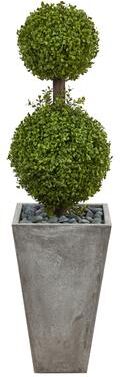
Nearly Natural "4' Double Boxwood Topiary in Planter (Indoor/Outdoor) - 21"""Elegantly greet guests with this double boxwood topiary. One smaller, perfectly trimmed boxwood ball sits above a larger trimmed one made of realistic-looking boxwood foliage.249,49 $*Shipping: 0,00 $Secure redirect to the provider
-
Nearly Natural 3-foot Boxwood Decorative Plant - GreenThe boxwood is a classic 'decorating hedge' with dense leaves, a unique shape, and a tower topiary shape. This decorative plant makes the perfect canvas for a talented horticulturist sporting a trimmer.88,98 $*Shipping: 0,00 $Secure redirect to the provider
-
How can I plant a boxwood in the garden?
To plant a boxwood in the garden, start by choosing a location with well-draining soil and partial shade. Dig a hole twice as wide as the root ball and at the same depth. Gently remove the boxwood from its container and place it in the hole, making sure the top of the root ball is level with the soil surface. Backfill the hole with soil, water thoroughly, and add a layer of mulch around the base of the plant to retain moisture. Water regularly to keep the soil consistently moist until the boxwood is established. **
-
How do I plant a balcony planter with boxwood?
To plant a balcony planter with boxwood, start by choosing a planter that is large enough to accommodate the size of the boxwood plant. Fill the planter with a well-draining potting mix, leaving enough space at the top for the boxwood to be planted. Remove the boxwood from its nursery container and gently loosen the roots before placing it in the planter. Fill in any gaps with additional potting mix and water the plant thoroughly. Place the planter in a location that receives partial to full sunlight, and water the boxwood regularly to keep the soil consistently moist but not waterlogged. **
-
Why doesn't the boxwood grow?
The boxwood may not be growing due to various reasons such as inadequate sunlight, poor soil quality, lack of nutrients, overwatering, or pests/diseases. Boxwoods require well-draining soil, sufficient sunlight, and regular watering to thrive. It is important to assess the growing conditions and address any issues to promote healthy growth in boxwood plants. **
-
Can the boxwood be pruned?
Yes, boxwood can be pruned. In fact, regular pruning is often necessary to maintain the desired shape and size of the plant. Boxwood can be pruned at any time of the year, but it is best to avoid heavy pruning during the hottest part of the summer. When pruning, it is important to use sharp, clean tools and to avoid cutting into old wood, as this can lead to unsightly bare patches. Overall, proper pruning can help promote healthy growth and maintain the appearance of the boxwood plant. **
Similar search terms for Nearly-Natural-21-Boxwood
-
"Nearly Natural 15"" Boxwood Ball Preserved Plant in Planter - Green"Enhance even the smallest of spaces with this preserved plant showcasing a single ball, perfectly manicured and designed with realistic boxwood foliage in bright, vivid hues.139,49 $*Shipping: 0,00 $Secure redirect to the provider
-
Nearly Natural 27-inch Boxwood Ball Topiary Decorative Plant - GreenBoxwood is one of the more versatile hedge plants because it can be shaped into just about anything and still look great. The classic Boxwood look, complete with soft, green leaves, is shaped into a timeless ball topiary design.146,99 $*Shipping: 0,00 $Secure redirect to the provider
-
Nearly Natural "10"" Artificial Boxwood Topiary Plant with Decorative Planter"Posh and refined, elevate your home office with our artificial boxwood plant sure to deliver an enhanced look. Inspired by nature, this piece is shaped into a topiary for a taste of traditional aesthetics.31,49 $*Shipping: 0,00 $Secure redirect to the provider
-
What does our boxwood have?
Our boxwood has dense, evergreen foliage that provides year-round interest in the garden. It also has small, inconspicuous flowers that bloom in the spring. Additionally, our boxwood has a compact, rounded growth habit that makes it a versatile plant for use in hedges, borders, or as a specimen plant. **
-
Have you eaten boxwood leaves?
No, I have not eaten boxwood leaves. Boxwood leaves are not typically consumed as they can be toxic to humans and animals if ingested. It's important to be cautious with plants and ensure that they are safe for consumption before consuming them. If you have any concerns about a specific plant, it's best to consult with a knowledgeable source or expert before consuming it. **
-
Between which natural numbers lies the square root of 21?
The square root of 21 lies between 4 and 5. This is because 4^2 = 16 and 5^2 = 25, so the square root of 21 must be between these two numbers. Therefore, the square root of 21 is approximately 4.58. **
-
What is a disease on boxwood?
Boxwood blight is a common disease that affects boxwood plants. It is caused by a fungus called Calonectria pseudonaviculata. Symptoms of boxwood blight include dark spots on leaves, black streaks on stems, and defoliation. This disease can spread quickly and is often difficult to control, making it important to promptly identify and treat infected plants. **
* All prices are inclusive of VAT and, if applicable, plus shipping costs. The offer information is based on the details provided by the respective shop and is updated through automated processes. Real-time updates do not occur, so deviations can occur in individual cases. ** Note: Parts of this content were created by AI.