Buy flower4you.eu ?
We are moving the project
flower4you.eu .
Are you interested in purchasing the domain
flower4you.eu ?
domain@kv-gmbh.de · 0541-91531010
Buy flower4you.eu ?
Is a plant a strange gift?
A plant can be considered a unique and thoughtful gift, rather than a strange one. It can symbolize growth, life, and nurturing, making it a meaningful present for someone special. Additionally, plants can bring beauty and a sense of tranquility to any space, making them a thoughtful and practical gift for a variety of occasions. Overall, giving a plant as a gift can be a thoughtful and meaningful gesture. **
Can the pitcher plant be a carnivorous plant?
Yes, the pitcher plant is a carnivorous plant. It attracts, traps, and digests insects and other small prey to obtain nutrients that are lacking in its environment. The pitcher plant has a modified leaf that forms a pitcher-shaped structure, which contains a liquid that lures insects inside where they become trapped and eventually digested. This unique adaptation allows the pitcher plant to thrive in nutrient-poor soils. **
Similar search terms for Harper-The-Plant-Paradox
Top-Angebote
Products related to Harper-The-Plant-Paradox:
-
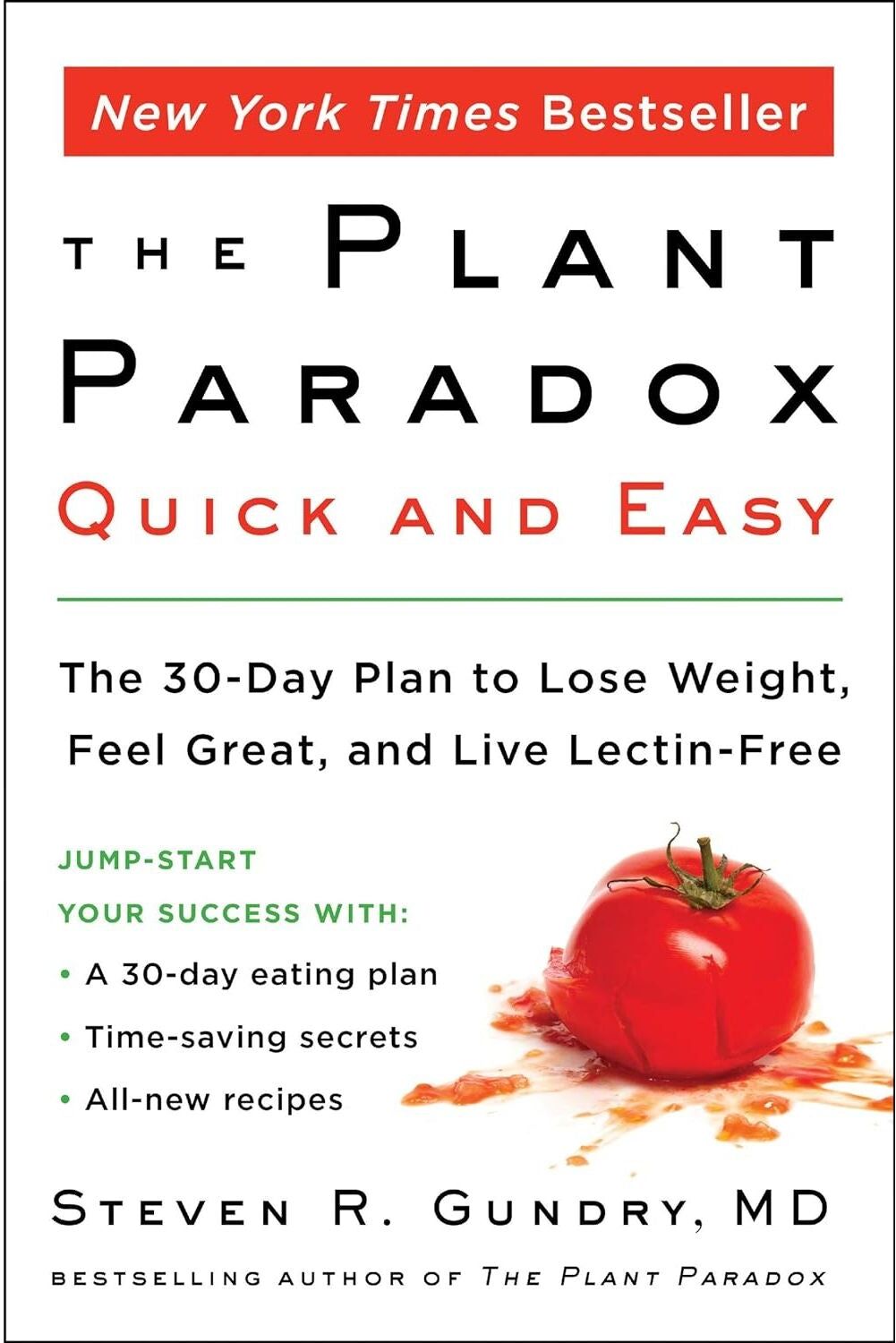
Harper Wave The Plant Paradox Quick & Easy by Steven R. Gundry – 30-Day Lectin-Free Diet Plan & RecipesFrom bestselling author Dr. Steven Gundry, a quick and easy guide to The Plant Paradox program that gives readers the tools to enjoy the benefits of lectin-free eating in just 30 days.In Dr. Steven Gundry’s breakout bestseller The Plant Paradox, readers learned the surprising truth about foods that have long been regarded as healthy. Lectins—a type of protein found in fruits, vegetables, legumes, dairy, and grains—wreak havoc on the gut, creating systemic inflammation and laying the groundwork for disease and weight gain. Avoiding lectins offers incredible health benefits but requires a significant lifestyle change—one that, for many people, can feel overwhelming. Now, in The Plant Paradox Quick and Easy, Dr. Gundry makes it simpler than ever to go lectin free. His 30-day challenge offers incentives, support, and results along with a toolkit for success. With grocery lists, meal plans, time-saving cooking strategies, all-new recipes, and guidance for families and those following specialized diets (including ketogenic and vegan), The Plant Paradox Quick and Easy is the all-in-one resource Plant Paradox fans and newcomers alike need to jumpstart results reap the health benefits of living lectin-free.5,49 £*Shipping: 2,99 £Secure redirect to the provider
-
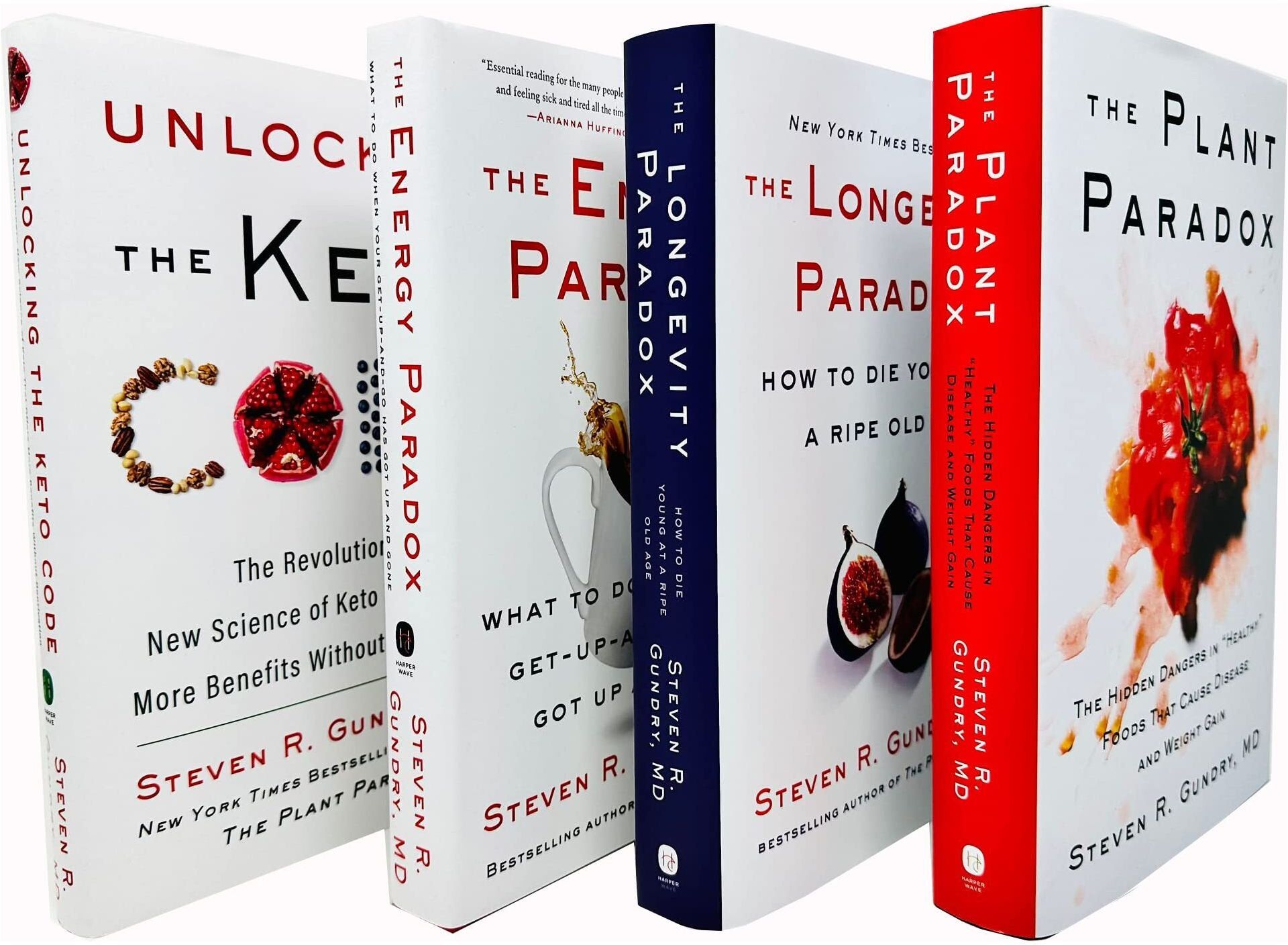
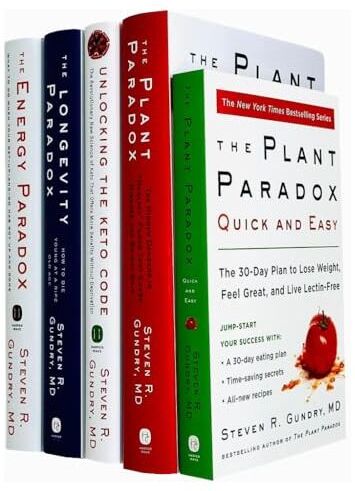
HarperWave ltd Dr. Steven R Gundry MD 4 Books Collection Set (The Plant Paradox, The Longevity Paradox, The Energy Paradox and Unlocking The Keto Code)Dr. Steven R Gundry MD 4 Books Collection Set (The Plant Paradox, The Longevity Paradox, The Energy Paradox & Unlocking The Keto Code): The Plant Paradox: In The Plant Paradox, renowned cardiologist Dr. Steven Gundry reveals that gluten is just one variety of a common, and highly toxic, plant-based protein called lectin. Lectins are found not only in grains like wheat but also in the “gluten-free” foods most of us commonly regard as healthy, including many fruits, vegetables, nuts, beans, and conventional dairy products. The Longevity Paradox: This groundbreaking book holds the answer. Working with thousands of patients, Dr. Gundry has discovered that the “diseases of aging” we most fear are not simply a function of age; rather, they are a byproduct of the way we have lived over the decades. In The Longevity Paradox, he maps out a new approach to aging well—one that is based on supporting the health of the “oldest” parts of us: the microorganisms that live within our bodies. The Energy Paradox: In The Energy Paradox, Dr. Gundry expands upon his previous discussions of gut, microbiome, and mitochondrial health, linking immune malfunction to the mental and physical symptoms of fatigue—including exhaustion, brain fog, depression, anxiety, and low metabolism. As Dr. Gundry explains, feeling tired, moody, and zapped of energy is not normal, no matter your workload or age. Unlocking the Keto Code: In Unlocking the Keto Code, Dr. Gundry reveals the biological mechanism that makes keto diets so successful: a cellular process known as “mitochondrial uncoupling.” As it turns out, ketones are not the magical fuel source they’ve been made out to be; in fact, the body cannot run on ketones and fats alone.24,90 £*Shipping: 2,99 £Secure redirect to the provider
-
Harper ltd Dr Steven R Gundry 5 Books Collection Set – Plant Paradox, Diet & Gut Health Nutrition CollectionDr. Steven R Gundry MD 5 Books Collection Set (The Plant Paradox, The Longevity Paradox, The Energy Paradox, Unlocking The Keto Code & [Paperback] The Plant Paradox Quick and Easy): The Plant Paradox Quick and Easy[Paperback]: The Plant Paradox, readers learned the surprising truth about foods that have long been regarded as healthy. Lectins—a type of protein found in fruits, vegetables, legumes, dairy, and grains—wreak havoc on the gut, creating systemic inflammation and laying the groundwork for disease and weight gain. The Plant Paradox: In The Plant Paradox, renowned cardiologist Dr. Steven Gundry reveals that gluten is just one variety of a common, and highly toxic, plant-based protein called lectin. Lectins are found not only in grains like wheat but also in the “gluten-free” foods. The Longevity Paradox: Dr. Gundry has discovered that the “diseases of aging” we most fear are not simply a function of age; rather, they are a byproduct of the way we have lived over the decades. In The Longevity Paradox, he maps out a new approach to aging well—one that is based on supporting the health of the “oldest” parts of us: the microorganisms that live within our bodies. The Energy Paradox: Dr. Gundry expands upon his previous discussions of gut, microbiome, and mitochondrial health, linking immune malfunction to the mental and physical symptoms of fatigue—including exhaustion, brain fog, depression, anxiety, and low metabolism. Unlocking the Keto Code: In Unlocking the Keto Code, Dr. Gundry reveals the biological mechanism that makes keto diets so successful: a cellular process known as “mitochondrial uncoupling.” As it turns out, ketones are not the magical fuel source they’ve been made out to be.22,45 £*Shipping: 2,99 £Secure redirect to the provider
-
Harper The Longevity Paradox by Steven R. Gundry – Healthy Aging & Nutrition GuideRethink aging and long-term wellness with The Longevity Paradox: How to Die Young at a Ripe Old Age by Steven R. Gundry. In this accessible health guide, Dr. Gundry explores how lifestyle choices — including diet, gut health, and daily habits — may influence how we age. Drawing on research and clinical insights, the book introduces practical strategies aimed at supporting energy, resilience, and overall wellbeing throughout life. Written in a clear, motivating style, The Longevity Paradox encourages readers to take an active role in shaping healthier routines, focusing on prevention and sustainable habits rather than quick fixes. Why Readers Love This Book: Practical insights into healthy aging Focus on nutrition, gut health, and lifestyle habits Accessible science explained clearly Encourages long-term wellness strategies Motivating and easy to follow A thought-provoking guide to living well at every age, The Longevity Paradox inspires readers to rethink how they approach health and longevity.5,99 £*Shipping: 2,99 £Secure redirect to the provider

-
What plant is this? (Plant identification)
I'm sorry, I cannot identify plants from a description alone. If you could provide a photo or more specific details about the plant, I would be happy to try to help you identify it. **
-
Is my plant a spider plant?
I'm an AI and I don't have the ability to see your plant. However, spider plants are characterized by their long, arching leaves with white stripes. They also produce small white flowers and baby plantlets that dangle from the mother plant. If your plant matches these descriptions, it is likely a spider plant. If you're still unsure, you can search for images of spider plants online to compare with your plant. **
-
Can you plant a purchased bouquet of flowers in the garden?
Yes, you can plant a purchased bouquet of flowers in the garden. However, it's important to note that not all flowers from a bouquet may be suitable for planting, as some may be cut flowers that are not meant to grow in soil. It's best to identify the flowers in the bouquet and research their planting requirements before attempting to plant them in the garden. Additionally, it's important to remove any wrapping or packaging from the bouquet before planting the flowers in the garden. **
-
Which plant pests can occur on the Monstera plant?
Some common plant pests that can occur on Monstera plants include spider mites, mealybugs, scale insects, and aphids. These pests can cause damage to the leaves by feeding on the plant sap, leading to yellowing, wilting, and stunted growth. Regularly inspecting your Monstera plant for signs of pests and taking prompt action to control them can help keep your plant healthy and thriving. **
Is the Hokkaido plant a creeping or climbing plant?
The Hokkaido plant is a creeping plant. It spreads along the ground, sending out runners and rooting at the nodes to form a dense ground cover. It does not climb like a vine, but rather grows close to the ground, making it a popular choice for use as a ground cover in gardens and landscapes. **
How do you plant an avocado plant?
To plant an avocado plant, start by removing the pit from a ripe avocado and washing off any remaining fruit. Then, carefully insert 3-4 toothpicks into the pit at even intervals around the circumference. Fill a glass or jar with water and suspend the pit over the water by resting the toothpicks on the rim of the container. Place the container in a warm, sunny spot and change the water every few days. After 2-6 weeks, the pit will sprout roots and a stem. Once the stem is about 6 inches tall, plant the pit in a pot with well-draining soil, leaving the top half of the pit exposed. Water the plant regularly and place it in a sunny location. With proper care, your avocado plant will continue to grow and eventually produce fruit. **
Top-Angebote
Products related to Harper-The-Plant-Paradox:
-
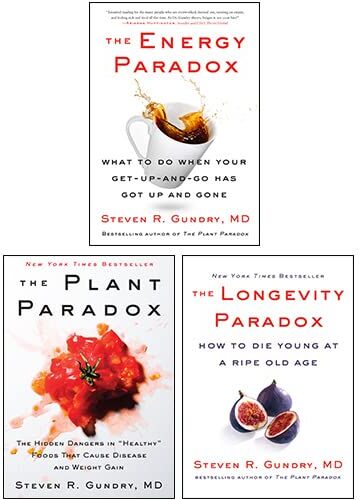
Harper Dr. Steven R Gundry MD 3 Books Collection Set (The Plant Paradox, The Longevity Paradox & The Energy Paradox)Dr. Steven R Gundry MD 3 Books Collection Set (The Plant Paradox, The Longevity Paradox & The Energy Paradox): The Plant Paradox: In The Plant Paradox, renowned cardiologist Dr. Steven Gundry reveals that gluten is just one variety of a common, and highly toxic, plant-based protein called lectin. Lectins are found not only in grains like wheat but also in the “gluten-free” foods most of us commonly regard as healthy, including many fruits, vegetables, nuts, beans, and conventional dairy products. These proteins, which are found in the seeds, grains, skins, rinds, and leaves of plants, are designed by nature to protect them from predators (including humans). The Longevity Paradox: This groundbreaking book holds the answer. Working with thousands of patients, Dr. Gundry has discovered that the “diseases of aging” we most fear are not simply a function of age; rather, they are a byproduct of the way we have lived over the decades. In The Longevity Paradox, he maps out a new approach to aging well—one that is based on supporting the health of the “oldest” parts of us: the microorganisms that live within our bodies. The Energy Paradox: In The Energy Paradox, Dr. Gundry expands upon his previous discussions of gut, microbiome, and mitochondrial health, linking immune malfunction to the mental and physical symptoms of fatigue—including exhaustion, brain fog, depression, anxiety, and low metabolism. As Dr. Gundry explains, feeling tired, moody, and zapped of energy is not normal, no matter your workload or age. Fatigue is an SOS flare from the body, one that is intended to alert us that something is wrong.18,99 £*Shipping: 2,99 £Secure redirect to the provider
-
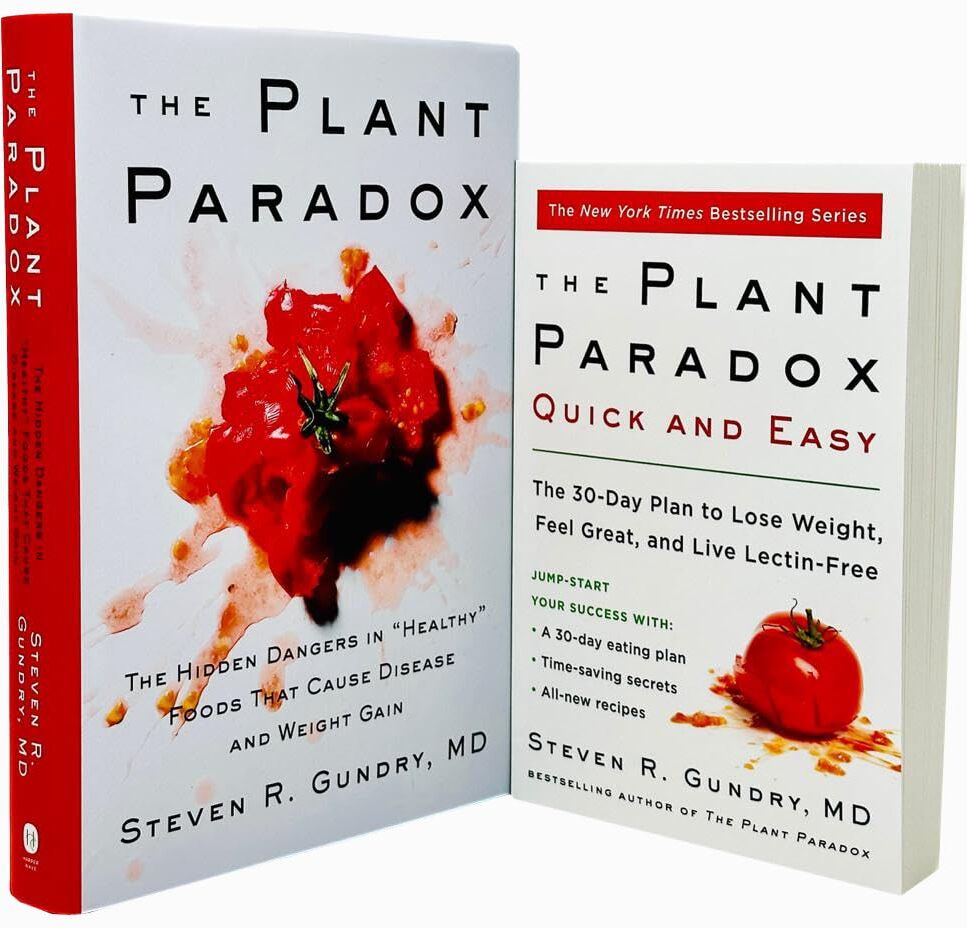
Harper The Plant Paradox & The Plant Paradox Quick and Easy 2 Book Collection Set by Steven R. Gundry – 30-Day Diet Plan & Health GuideThe Plant Paradox Series 2 Books Collection Set By Dr. Steven R Gundry MD (The Plant Paradox [Hardcover] & The Plant Paradox Quick and Easy: The 30-Day Plan to Lose Weight, Feel Great, and Live Lectin-Free): The Plant Paradox [Hardcover]: In The Plant Paradox, renowned cardiologist Dr. Steven Gundry reveals that gluten is just one variety of a common, and highly toxic, plant-based protein called lectin. Lectins are found not only in grains like wheat but also in the “gluten-free” foods most of us commonly regard as healthy, including many fruits, vegetables, nuts, beans, and conventional dairy products. These proteins, which are found in the seeds, grains, skins, rinds, and leaves of plants, are designed by nature to protect them from predators (including humans). Once ingested, they incite a kind of chemical warfare in our bodies, causing inflammatory reactions that can lead to weight gain and serious health conditions. The Plant Paradox Quick and Easy: In Dr. Steven Gundry’s breakout bestseller The Plant Paradox, readers learned the surprising truth about foods that have long been regarded as healthy. Lectins—a type of protein found in fruits, vegetables, legumes, dairy, and grains—wreak havoc on the gut, creating systemic inflammation and laying the groundwork for disease and weight gain. Avoiding lectins offers incredible health benefits but requires a significant lifestyle change—one that, for many people, can feel overwhelming.Now, in The Plant Paradox Quick and Easy, Dr. Gundry makes it simpler than ever to go lectin free. His 30-day challenge offers incentives, support, and results along with a toolkit for success.12,99 £*Shipping: 2,99 £Secure redirect to the provider
-
Harper Wave The Plant Paradox Quick & Easy by Steven R. Gundry – 30-Day Lectin-Free Diet Plan & RecipesFrom bestselling author Dr. Steven Gundry, a quick and easy guide to The Plant Paradox program that gives readers the tools to enjoy the benefits of lectin-free eating in just 30 days.In Dr. Steven Gundry’s breakout bestseller The Plant Paradox, readers learned the surprising truth about foods that have long been regarded as healthy. Lectins—a type of protein found in fruits, vegetables, legumes, dairy, and grains—wreak havoc on the gut, creating systemic inflammation and laying the groundwork for disease and weight gain. Avoiding lectins offers incredible health benefits but requires a significant lifestyle change—one that, for many people, can feel overwhelming. Now, in The Plant Paradox Quick and Easy, Dr. Gundry makes it simpler than ever to go lectin free. His 30-day challenge offers incentives, support, and results along with a toolkit for success. With grocery lists, meal plans, time-saving cooking strategies, all-new recipes, and guidance for families and those following specialized diets (including ketogenic and vegan), The Plant Paradox Quick and Easy is the all-in-one resource Plant Paradox fans and newcomers alike need to jumpstart results reap the health benefits of living lectin-free.5,49 £*Shipping: 2,99 £Secure redirect to the provider
-
HarperWave ltd Dr. Steven R Gundry MD 4 Books Collection Set (The Plant Paradox, The Longevity Paradox, The Energy Paradox and Unlocking The Keto Code)Dr. Steven R Gundry MD 4 Books Collection Set (The Plant Paradox, The Longevity Paradox, The Energy Paradox & Unlocking The Keto Code): The Plant Paradox: In The Plant Paradox, renowned cardiologist Dr. Steven Gundry reveals that gluten is just one variety of a common, and highly toxic, plant-based protein called lectin. Lectins are found not only in grains like wheat but also in the “gluten-free” foods most of us commonly regard as healthy, including many fruits, vegetables, nuts, beans, and conventional dairy products. The Longevity Paradox: This groundbreaking book holds the answer. Working with thousands of patients, Dr. Gundry has discovered that the “diseases of aging” we most fear are not simply a function of age; rather, they are a byproduct of the way we have lived over the decades. In The Longevity Paradox, he maps out a new approach to aging well—one that is based on supporting the health of the “oldest” parts of us: the microorganisms that live within our bodies. The Energy Paradox: In The Energy Paradox, Dr. Gundry expands upon his previous discussions of gut, microbiome, and mitochondrial health, linking immune malfunction to the mental and physical symptoms of fatigue—including exhaustion, brain fog, depression, anxiety, and low metabolism. As Dr. Gundry explains, feeling tired, moody, and zapped of energy is not normal, no matter your workload or age. Unlocking the Keto Code: In Unlocking the Keto Code, Dr. Gundry reveals the biological mechanism that makes keto diets so successful: a cellular process known as “mitochondrial uncoupling.” As it turns out, ketones are not the magical fuel source they’ve been made out to be; in fact, the body cannot run on ketones and fats alone.24,90 £*Shipping: 2,99 £Secure redirect to the provider
-
Is a plant a strange gift?
A plant can be considered a unique and thoughtful gift, rather than a strange one. It can symbolize growth, life, and nurturing, making it a meaningful present for someone special. Additionally, plants can bring beauty and a sense of tranquility to any space, making them a thoughtful and practical gift for a variety of occasions. Overall, giving a plant as a gift can be a thoughtful and meaningful gesture. **
-
Can the pitcher plant be a carnivorous plant?
Yes, the pitcher plant is a carnivorous plant. It attracts, traps, and digests insects and other small prey to obtain nutrients that are lacking in its environment. The pitcher plant has a modified leaf that forms a pitcher-shaped structure, which contains a liquid that lures insects inside where they become trapped and eventually digested. This unique adaptation allows the pitcher plant to thrive in nutrient-poor soils. **
-
What plant is this? (Plant identification)
I'm sorry, I cannot identify plants from a description alone. If you could provide a photo or more specific details about the plant, I would be happy to try to help you identify it. **
-
Is my plant a spider plant?
I'm an AI and I don't have the ability to see your plant. However, spider plants are characterized by their long, arching leaves with white stripes. They also produce small white flowers and baby plantlets that dangle from the mother plant. If your plant matches these descriptions, it is likely a spider plant. If you're still unsure, you can search for images of spider plants online to compare with your plant. **
Similar search terms for Harper-The-Plant-Paradox
-
Harper ltd Dr Steven R Gundry 5 Books Collection Set – Plant Paradox, Diet & Gut Health Nutrition CollectionDr. Steven R Gundry MD 5 Books Collection Set (The Plant Paradox, The Longevity Paradox, The Energy Paradox, Unlocking The Keto Code & [Paperback] The Plant Paradox Quick and Easy): The Plant Paradox Quick and Easy[Paperback]: The Plant Paradox, readers learned the surprising truth about foods that have long been regarded as healthy. Lectins—a type of protein found in fruits, vegetables, legumes, dairy, and grains—wreak havoc on the gut, creating systemic inflammation and laying the groundwork for disease and weight gain. The Plant Paradox: In The Plant Paradox, renowned cardiologist Dr. Steven Gundry reveals that gluten is just one variety of a common, and highly toxic, plant-based protein called lectin. Lectins are found not only in grains like wheat but also in the “gluten-free” foods. The Longevity Paradox: Dr. Gundry has discovered that the “diseases of aging” we most fear are not simply a function of age; rather, they are a byproduct of the way we have lived over the decades. In The Longevity Paradox, he maps out a new approach to aging well—one that is based on supporting the health of the “oldest” parts of us: the microorganisms that live within our bodies. The Energy Paradox: Dr. Gundry expands upon his previous discussions of gut, microbiome, and mitochondrial health, linking immune malfunction to the mental and physical symptoms of fatigue—including exhaustion, brain fog, depression, anxiety, and low metabolism. Unlocking the Keto Code: In Unlocking the Keto Code, Dr. Gundry reveals the biological mechanism that makes keto diets so successful: a cellular process known as “mitochondrial uncoupling.” As it turns out, ketones are not the magical fuel source they’ve been made out to be.22,45 £*Shipping: 2,99 £Secure redirect to the provider
-
Harper The Longevity Paradox by Steven R. Gundry – Healthy Aging & Nutrition GuideRethink aging and long-term wellness with The Longevity Paradox: How to Die Young at a Ripe Old Age by Steven R. Gundry. In this accessible health guide, Dr. Gundry explores how lifestyle choices — including diet, gut health, and daily habits — may influence how we age. Drawing on research and clinical insights, the book introduces practical strategies aimed at supporting energy, resilience, and overall wellbeing throughout life. Written in a clear, motivating style, The Longevity Paradox encourages readers to take an active role in shaping healthier routines, focusing on prevention and sustainable habits rather than quick fixes. Why Readers Love This Book: Practical insights into healthy aging Focus on nutrition, gut health, and lifestyle habits Accessible science explained clearly Encourages long-term wellness strategies Motivating and easy to follow A thought-provoking guide to living well at every age, The Longevity Paradox inspires readers to rethink how they approach health and longevity.5,99 £*Shipping: 2,99 £Secure redirect to the provider
-
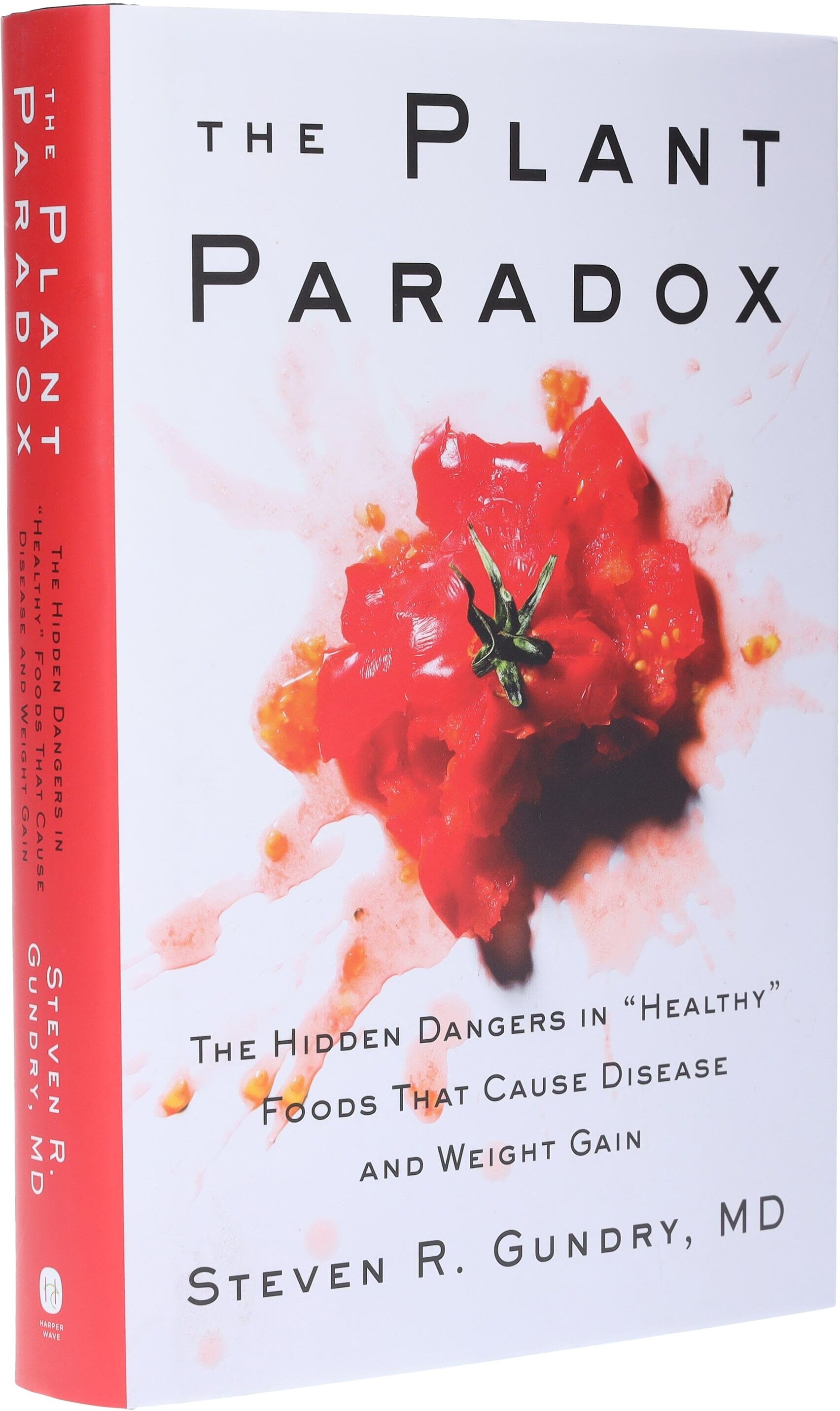
The Plant Paradox: By Dr. Steven R Gundry, MD - Non Fiction - Hardback HarperCollins PublishersThe Plant Paradox: The Hidden Dangers in Healthy Foods That Cause Disease and Weight Gain By Dr. Steven R Gundry MD. From renowned cardiac surgeon Steven R. Gundry, MD The Plant Paradox is a revolutionary look at the hidden compounds in "healthy" foods like fruit, vegetables, and whole grains that are causing us to gain weight and develop chronic disease. Most of us have heard of gluten—a protein found in wheat that causes widespread inflammation in the body. Americans spend billions of dollars on gluten-free diets in an effort to protect their health. But what if we’ve been missing the root of the problem? In The Plant Paradox , renowned cardiologist Dr. Steven Gundry reveals that gluten is just one variety of a common, and highly toxic, plant-based protein called lectin. Lectins are found not only in grains like wheat but also in the “gluten-free” foods most of us commonly regard as healthy, including many fruits, vegetables, nuts, beans, and conventional dairy products. These proteins, which are found in the seeds, grains, skins, rinds, and leaves of plants, are designed by nature to protect them from predators (including humans). Once ingested, they incite a kind of chemical warfare in our bodies, causing inflammatory reactions that can lead to weight gain and serious health conditions. At his waitlist-only clinics in California, Dr. Gundry has successfully treated tens of thousands of patients suffering from autoimmune disorders, diabetes, leaky gut syndrome, heart disease, and neurodegenerative diseases with a protocol that detoxes the cells, repairs the gut, and nourishes the body. Now, in The Plant Paradox , he shares this clinically proven program with readers around the world. The simple (and daunting) fact is, lectins are everywhere. Thankfully, Dr. Gundry offers simple hacks we easily can employ to avoid them, including: Peel your veggies. Most of the lectins are contained in the skin and seeds of plants; simply peeling and de-seeding vegetables (like tomatoes and peppers) reduces their lectin content. Shop for fruit in season. Fruit contain fewer lectins when ripe, so eating apples, berries, and other lectin-containing fruits at the peak of ripeness helps minimize your lectin consumption. Swap your brown rice for white. Whole grains and seeds with hard outer coatings are designed by nature to cause digestive distress—and are full of lectins. With a full list of lectin-containing foods and simple substitutes for each, a step-by-step detox and eating plan, and delicious lectin-free recipes, The Plant Paradox illuminates the hidden dangers lurking in your salad bowl—and shows you how to eat whole foods in a whole new way.12,49 £*Shipping: 2,99 £Secure redirect to the provider
-
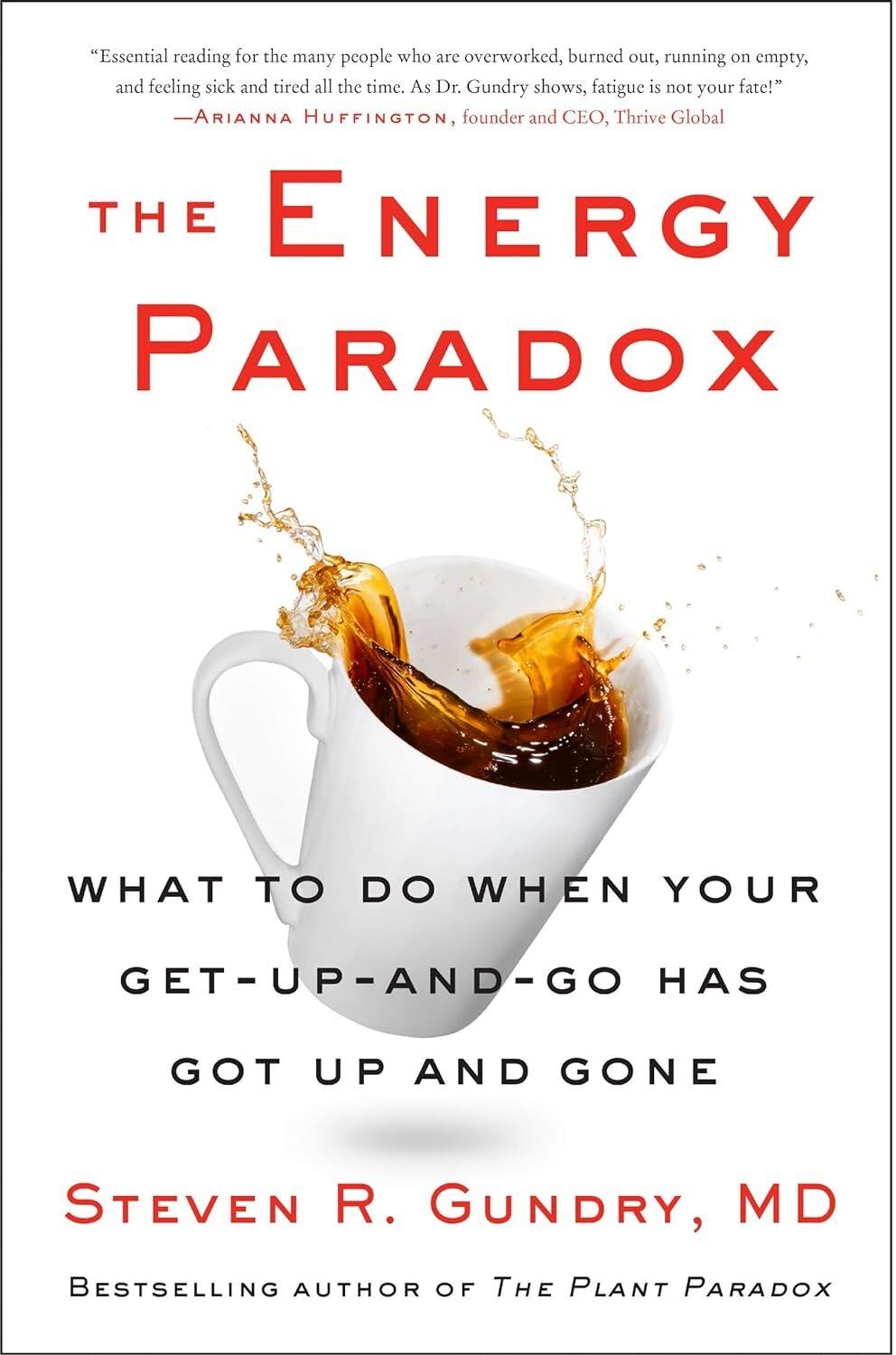
Harper The Energy Paradox: What to Do When Your Get-Up-and-Go Has Got Up and GoneThe author of the bestselling Plant Paradox series takes a fresh look at one of the top health issues plaguing Americans—fatigue—and offers a revolutionary plan for boosting energy and revitalizing mental and physical stamina. In his bestselling books, The Plant Paradox and The Longevity Paradox, Dr. Steven R. Gundry offered game-changing perspectives on our wellbeing. In The Energy Paradox, Dr. Gundry expands upon his previous discussions of gut, microbiome, and mitochondrial health, linking immune malfunction to the mental and physical symptoms of fatigue—including exhaustion, brain fog, depression, anxiety, and low metabolism. As Dr. Gundry explains, feeling tired, moody, and zapped of energy is not normal, no matter your workload or age. Fatigue is an SOS flare from the body, one that is intended to alert us that something is wrong. In his clinical work, Dr. Gundry has found that his patients who complain of feeling sick and tired all the time almost always have something in common: the inflammation markers of a leaky gut. In The Energy Paradox, Dr. Gundry will offer readers the information and tools necessary to quiet the autoimmune battle raging within—a battle that depletes precious energy reserves, leaving you drained and prone to mood disorders and weight gain. With new guidelines on how to increase mitochondrial energy production and nourish the microbiome; 30 new Plant Paradox-approved recipes; and lists of energy-boosting foods to consume and energy-depleting foods to avoid, The Energy Paradox will help readers take back their lives, giving them the energy they need to feel, look, and be their best.6,70 £*Shipping: 2,99 £Secure redirect to the provider
-
Can you plant a purchased bouquet of flowers in the garden?
Yes, you can plant a purchased bouquet of flowers in the garden. However, it's important to note that not all flowers from a bouquet may be suitable for planting, as some may be cut flowers that are not meant to grow in soil. It's best to identify the flowers in the bouquet and research their planting requirements before attempting to plant them in the garden. Additionally, it's important to remove any wrapping or packaging from the bouquet before planting the flowers in the garden. **
-
Which plant pests can occur on the Monstera plant?
Some common plant pests that can occur on Monstera plants include spider mites, mealybugs, scale insects, and aphids. These pests can cause damage to the leaves by feeding on the plant sap, leading to yellowing, wilting, and stunted growth. Regularly inspecting your Monstera plant for signs of pests and taking prompt action to control them can help keep your plant healthy and thriving. **
-
Is the Hokkaido plant a creeping or climbing plant?
The Hokkaido plant is a creeping plant. It spreads along the ground, sending out runners and rooting at the nodes to form a dense ground cover. It does not climb like a vine, but rather grows close to the ground, making it a popular choice for use as a ground cover in gardens and landscapes. **
-
How do you plant an avocado plant?
To plant an avocado plant, start by removing the pit from a ripe avocado and washing off any remaining fruit. Then, carefully insert 3-4 toothpicks into the pit at even intervals around the circumference. Fill a glass or jar with water and suspend the pit over the water by resting the toothpicks on the rim of the container. Place the container in a warm, sunny spot and change the water every few days. After 2-6 weeks, the pit will sprout roots and a stem. Once the stem is about 6 inches tall, plant the pit in a pot with well-draining soil, leaving the top half of the pit exposed. Water the plant regularly and place it in a sunny location. With proper care, your avocado plant will continue to grow and eventually produce fruit. **
* All prices are inclusive of VAT and, if applicable, plus shipping costs. The offer information is based on the details provided by the respective shop and is updated through automated processes. Real-time updates do not occur, so deviations can occur in individual cases. ** Note: Parts of this content were created by AI.