Buy flower4you.eu ?
We are moving the project
flower4you.eu .
Are you interested in purchasing the domain
flower4you.eu ?
domain@kv-gmbh.de · 0541-91531010
Buy flower4you.eu ?
How are eudaimonia and daimonion connected in Socrates' philosophy?
In Socrates' philosophy, eudaimonia refers to human flourishing or living a fulfilling life. Daimonion, on the other hand, refers to a divine sign or inner voice that guides individuals towards what is right and virtuous. Socrates believed that following one's daimonion would lead to eudaimonia, as it would guide individuals towards living a virtuous and fulfilling life. Therefore, the connection between eudaimonia and daimonion lies in the belief that following one's inner divine sign will ultimately lead to a flourishing and fulfilling life. **
What is a floral arrangement?
A floral arrangement is a decorative display of fresh or artificial flowers and foliage that are creatively arranged in a container or vase. These arrangements are often used to enhance the aesthetic appeal of a space, convey emotions, or mark special occasions such as weddings, funerals, or celebrations. Floral arrangements can vary in size, shape, and style, and can be customized to suit individual preferences or themes. Skilled florists use their expertise in color theory, design principles, and flower selection to create visually stunning and harmonious arrangements. **


Similar search terms for Eudaimonia
Top-Angebote
Products related to Eudaimonia:
-
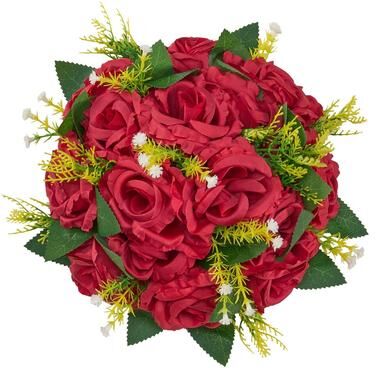
Lesly Flower Balls Arrangement Bouquet 10 PCS"Specifications: Type: Modern Artificial flowers Base Shape: Round Artificial flowers Material: Plastic Base Included: No Base Material: Resin Color: White / Multi Colored / Red Size of the Artificial flowers: 9.4"" L x 9.4"" W x 4.7"" H …"91,99 $*Shipping: 0,00 $Secure redirect to the provider
-
ARCILLA ELEMENTAL Pink or Orange Dried Plant Tall Floral Bouquet Home Decor Natural Foliage with Cream StemsThis pink or orange natural foliage can be used to add visual interest to a variety of settings including living rooms, bedrooms or hallways. This item ships in 1 carton.32,99 $*Shipping: 0,00 $Secure redirect to the provider
-
Studio 352 Light Brown Dried Plant Handmade Tall Floral Bouquet Palm Leaf Home Decor Natural Foliage with BranchesArrange this brown floral bundle in a clear glass bottle vase to elevate its natural beauty, and style them as a centerpiece on a dining table, or decorative accent in a living room or entryway. This item ships in 1 carton.21,48 $*Shipping: 0,00 $Secure redirect to the provider
-
Garvee Crochet Flower Bouquet, Handmade Knitted Floral, Crochet Bouquet Gift for Mom, Wife, Women, Mother's Day, Birthday100% Handcrafted Pink Crochet Florals: Every bloom in this knitted flower bouquet is meticulously handmade by skilled artisans with premium soft acrylic yarn.41,59 $*Shipping: 0,00 $Secure redirect to the provider




-
What are the differences and similarities between eudaimonia and deontology?
Eudaimonia and deontology are both ethical theories, but they differ in their approach. Eudaimonia, often associated with Aristotle, focuses on the concept of human flourishing and living a virtuous life to achieve happiness. Deontology, on the other hand, is a moral theory that emphasizes the importance of following rules and duties to determine what is right or wrong, regardless of the consequences. Both theories aim to guide individuals in making ethical decisions, but eudaimonia is more focused on the overall well-being and character development of a person, while deontology is more concerned with the principles and duties that should be followed in moral decision-making. **
-
How are reason, language, and eudaimonia connected according to Aristotle?
According to Aristotle, reason, language, and eudaimonia are interconnected in the pursuit of human flourishing. Reason allows humans to engage in rational thought and make choices that lead to a virtuous and fulfilling life. Language enables individuals to communicate and express their thoughts, allowing for the sharing of knowledge and the development of moral virtues. Eudaimonia, or human flourishing, is achieved through the cultivation of virtues and the use of reason to make choices that lead to a life of purpose and fulfillment. Therefore, reason and language are essential tools in the pursuit of eudaimonia, as they enable individuals to develop and express their moral virtues and make choices that lead to a flourishing life. **
-
How are Eudaimonia and Daimonion related in the philosophy of Socrates?
In the philosophy of Socrates, Eudaimonia refers to human flourishing or living a life of fulfillment and happiness. Daimonion, on the other hand, refers to the inner voice or guiding spirit that Socrates believed each person possessed. Socrates believed that by following one's daimonion and living a virtuous life, one could achieve eudaimonia. Therefore, the relationship between Eudaimonia and Daimonion in Socrates' philosophy is that by listening to and following one's inner voice or daimonion, one can achieve a state of eudaimonia or true happiness and fulfillment. **
-
How are eudaimonia and daimonion related in the philosophy of Socrates?
In the philosophy of Socrates, eudaimonia refers to human flourishing or living a life of virtue and excellence. Daimonion, on the other hand, refers to the inner voice or guiding spirit that Socrates believed was a divine sign guiding him towards moral decisions. Socrates believed that following the guidance of his daimonion would lead to eudaimonia, as it would help him make virtuous choices and live a life in accordance with reason and moral principles. Thus, the relationship between eudaimonia and daimonion in Socrates' philosophy is that following the inner voice of daimonion is essential for achieving eudaimonia or human flourishing. **

How can one best differentiate between happiness, bliss, and eudaimonia according to Aristotle?
According to Aristotle, happiness (eudaimonia) is the ultimate goal of human life and is achieved through the cultivation of virtue and the fulfillment of one's potential. Bliss, on the other hand, is a state of extreme joy or contentment, often temporary and dependent on external circumstances. To differentiate between the two, one must consider that happiness is a more enduring and holistic state, encompassing a sense of fulfillment and purpose, while bliss is a fleeting emotional experience. Ultimately, Aristotle's concept of eudaimonia emphasizes the importance of living a virtuous and meaningful life, which goes beyond mere pleasure or temporary joy. **
Why, according to Aristotle, is happiness (Eudaimonia) not equivalent to having good luck (Eutychia)?
According to Aristotle, happiness (Eudaimonia) is not equivalent to having good luck (Eutychia) because happiness is a state of being that is achieved through virtuous actions and living a life in accordance with reason and moral virtue. Good luck, on the other hand, is external and based on chance or circumstances beyond one's control. Aristotle believed that true happiness comes from within and is the result of living a life of virtue, rather than relying on external factors like luck. **
Top-Angebote
Products related to Eudaimonia:
-
Garvee Handmade Woven Yarn Artificial Flower Bouquet Gift Set – Decorative Faux Flowers ArrangementHandcrafted Yarn & Paper Bouquet: Beautifully woven with Quality yarn, plastic, and paper for a Distinctive, lifelike look. Thoughtful Gift Set: Comes with a 'Best Wishes' card and elegant gift bag, ready for any special occasion.32,19 $*Shipping: 0,00 $Secure redirect to the provider
-
ARCILLA ELEMENTAL Cream Dried Plant Tall Floral Bouquet Home Decor Natural Foliage with Brown StemsThis cream natural foliage can be used to add visual interest to a variety of settings including living rooms, bedrooms or hallways. This item ships in 1 carton.32,99 $*Shipping: 0,00 $Secure redirect to the provider
-
Lesly Flower Balls Arrangement Bouquet 10 PCS"Specifications: Type: Modern Artificial flowers Base Shape: Round Artificial flowers Material: Plastic Base Included: No Base Material: Resin Color: White / Multi Colored / Red Size of the Artificial flowers: 9.4"" L x 9.4"" W x 4.7"" H …"91,99 $*Shipping: 0,00 $Secure redirect to the provider
-
ARCILLA ELEMENTAL Pink or Orange Dried Plant Tall Floral Bouquet Home Decor Natural Foliage with Cream StemsThis pink or orange natural foliage can be used to add visual interest to a variety of settings including living rooms, bedrooms or hallways. This item ships in 1 carton.32,99 $*Shipping: 0,00 $Secure redirect to the provider
-
How are eudaimonia and daimonion connected in Socrates' philosophy?
In Socrates' philosophy, eudaimonia refers to human flourishing or living a fulfilling life. Daimonion, on the other hand, refers to a divine sign or inner voice that guides individuals towards what is right and virtuous. Socrates believed that following one's daimonion would lead to eudaimonia, as it would guide individuals towards living a virtuous and fulfilling life. Therefore, the connection between eudaimonia and daimonion lies in the belief that following one's inner divine sign will ultimately lead to a flourishing and fulfilling life. **
-
What is a floral arrangement?
A floral arrangement is a decorative display of fresh or artificial flowers and foliage that are creatively arranged in a container or vase. These arrangements are often used to enhance the aesthetic appeal of a space, convey emotions, or mark special occasions such as weddings, funerals, or celebrations. Floral arrangements can vary in size, shape, and style, and can be customized to suit individual preferences or themes. Skilled florists use their expertise in color theory, design principles, and flower selection to create visually stunning and harmonious arrangements. **
-
What are the differences and similarities between eudaimonia and deontology?
Eudaimonia and deontology are both ethical theories, but they differ in their approach. Eudaimonia, often associated with Aristotle, focuses on the concept of human flourishing and living a virtuous life to achieve happiness. Deontology, on the other hand, is a moral theory that emphasizes the importance of following rules and duties to determine what is right or wrong, regardless of the consequences. Both theories aim to guide individuals in making ethical decisions, but eudaimonia is more focused on the overall well-being and character development of a person, while deontology is more concerned with the principles and duties that should be followed in moral decision-making. **
-
How are reason, language, and eudaimonia connected according to Aristotle?
According to Aristotle, reason, language, and eudaimonia are interconnected in the pursuit of human flourishing. Reason allows humans to engage in rational thought and make choices that lead to a virtuous and fulfilling life. Language enables individuals to communicate and express their thoughts, allowing for the sharing of knowledge and the development of moral virtues. Eudaimonia, or human flourishing, is achieved through the cultivation of virtues and the use of reason to make choices that lead to a life of purpose and fulfillment. Therefore, reason and language are essential tools in the pursuit of eudaimonia, as they enable individuals to develop and express their moral virtues and make choices that lead to a flourishing life. **
Similar search terms for Eudaimonia
-
Studio 352 Light Brown Dried Plant Handmade Tall Floral Bouquet Palm Leaf Home Decor Natural Foliage with BranchesArrange this brown floral bundle in a clear glass bottle vase to elevate its natural beauty, and style them as a centerpiece on a dining table, or decorative accent in a living room or entryway. This item ships in 1 carton.21,48 $*Shipping: 0,00 $Secure redirect to the provider
-
Garvee Crochet Flower Bouquet, Handmade Knitted Floral, Crochet Bouquet Gift for Mom, Wife, Women, Mother's Day, Birthday100% Handcrafted Pink Crochet Florals: Every bloom in this knitted flower bouquet is meticulously handmade by skilled artisans with premium soft acrylic yarn.41,59 $*Shipping: 0,00 $Secure redirect to the provider
-
ARCILLA ELEMENTAL Cream Dried Plant Tall Floral Bouquet Home Decor Natural Foliage with Brown StemsThis cream natural foliage can be used to add visual interest to a variety of settings including living rooms, bedrooms or hallways. This item ships in 1 carton.32,99 $*Shipping: 0,00 $Secure redirect to the provider
-
Lesly Flower Balls Arrangement Bouquet 10 PCS"Specifications: Type: Modern Artificial flowers Base Shape: Round Artificial flowers Material: Plastic Base Included: No Base Material: Resin Color: White / Multi Colored / Red Size of the Artificial flowers: 9.4"" L x 9.4"" W x 4.7"" H …"91,99 $*Shipping: 0,00 $Secure redirect to the provider
-
How are Eudaimonia and Daimonion related in the philosophy of Socrates?
In the philosophy of Socrates, Eudaimonia refers to human flourishing or living a life of fulfillment and happiness. Daimonion, on the other hand, refers to the inner voice or guiding spirit that Socrates believed each person possessed. Socrates believed that by following one's daimonion and living a virtuous life, one could achieve eudaimonia. Therefore, the relationship between Eudaimonia and Daimonion in Socrates' philosophy is that by listening to and following one's inner voice or daimonion, one can achieve a state of eudaimonia or true happiness and fulfillment. **
-
How are eudaimonia and daimonion related in the philosophy of Socrates?
In the philosophy of Socrates, eudaimonia refers to human flourishing or living a life of virtue and excellence. Daimonion, on the other hand, refers to the inner voice or guiding spirit that Socrates believed was a divine sign guiding him towards moral decisions. Socrates believed that following the guidance of his daimonion would lead to eudaimonia, as it would help him make virtuous choices and live a life in accordance with reason and moral principles. Thus, the relationship between eudaimonia and daimonion in Socrates' philosophy is that following the inner voice of daimonion is essential for achieving eudaimonia or human flourishing. **
-
How can one best differentiate between happiness, bliss, and eudaimonia according to Aristotle?
According to Aristotle, happiness (eudaimonia) is the ultimate goal of human life and is achieved through the cultivation of virtue and the fulfillment of one's potential. Bliss, on the other hand, is a state of extreme joy or contentment, often temporary and dependent on external circumstances. To differentiate between the two, one must consider that happiness is a more enduring and holistic state, encompassing a sense of fulfillment and purpose, while bliss is a fleeting emotional experience. Ultimately, Aristotle's concept of eudaimonia emphasizes the importance of living a virtuous and meaningful life, which goes beyond mere pleasure or temporary joy. **
-
Why, according to Aristotle, is happiness (Eudaimonia) not equivalent to having good luck (Eutychia)?
According to Aristotle, happiness (Eudaimonia) is not equivalent to having good luck (Eutychia) because happiness is a state of being that is achieved through virtuous actions and living a life in accordance with reason and moral virtue. Good luck, on the other hand, is external and based on chance or circumstances beyond one's control. Aristotle believed that true happiness comes from within and is the result of living a life of virtue, rather than relying on external factors like luck. **
* All prices are inclusive of VAT and, if applicable, plus shipping costs. The offer information is based on the details provided by the respective shop and is updated through automated processes. Real-time updates do not occur, so deviations can occur in individual cases. ** Note: Parts of this content were created by AI.