Buy flower4you.eu ?
We are moving the project
flower4you.eu .
Are you interested in purchasing the domain
flower4you.eu ?
domain@kv-gmbh.de · 0541-91531010
Buy flower4you.eu ?
'Plant or root?'
A plant is a living organism that typically has leaves, stems, and roots, and is capable of photosynthesis. It is a multicellular eukaryote that belongs to the kingdom Plantae. A root, on the other hand, is a part of a plant that typically grows underground and is responsible for anchoring the plant, absorbing water and nutrients, and storing food. While a plant encompasses the entire organism, including roots, stems, and leaves, a root is just one specific part of a plant. **
What is a floral arrangement?
A floral arrangement is a decorative display of fresh or artificial flowers and foliage that are creatively arranged in a container or vase. These arrangements are often used to enhance the aesthetic appeal of a space, convey emotions, or mark special occasions such as weddings, funerals, or celebrations. Floral arrangements can vary in size, shape, and style, and can be customized to suit individual preferences or themes. Skilled florists use their expertise in color theory, design principles, and flower selection to create visually stunning and harmonious arrangements. **


Similar search terms for Root
Top-Angebote
Products related to Root:
-
Chesapeake Tap Root Dark Blue Floral Damask WallpaperClusters of wildflowers arch upwards to form the chic scallops of this charming damask design. The flowers are inked in aqua, beige, sky blue, taupe, and cream along a dark blue backdrop imbued with linen detailing.102,00 $*Shipping: 0,00 $Secure redirect to the provider
-
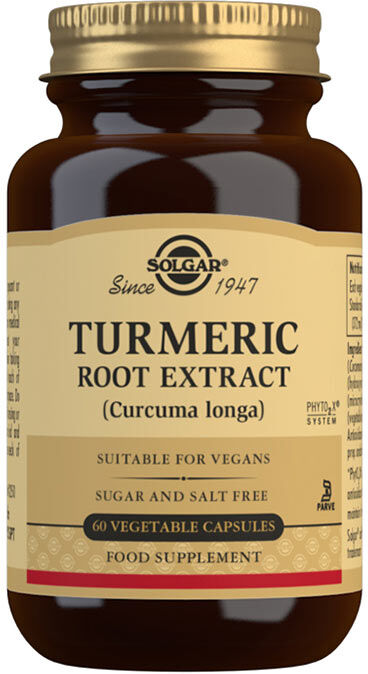
Solgar Turmeric Root ExtractTurmeric Root extract is more than just a culinary ingredients, this spice also has serval health-boosting benefits to it. The spice contains beneficial flavonoids called curcuminoids, which are plant-based antioxidants. These help to fight off cell damaging free radicals in the body. The supplement contains a standardised dose of Turmeric root extract so a consistent dose of the active ingredient will be ingested into the body with every capsule. Ingredients Standardised Turmeric Root Extract (Curcuma longa), Vegetable Capsule Shell: hydroxypropylmethyl cellulose, Bulking Agent: microcrystalline cellulose, Anti-caking Agents: (vegetable magnesium stearate, silicon dioxide), Antioxidant (powdered blend of beta-carotene prep. and ascorbic acid).21,50 £*Shipping: 2,95 £Secure redirect to the provider
-
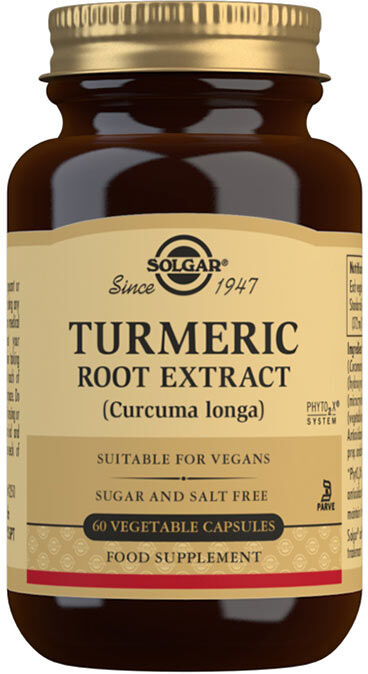
Solgar Turmeric Root ExtractTurmeric Root extract is more than just a culinary ingredients, this spice also has serval health-boosting benefits to it. The spice contains beneficial flavonoids called curcuminoids, which are plant-based antioxidants. These help to fight off cell damaging free radicals in the body. The supplement contains a standardised dose of Turmeric root extract so a consistent dose of the active ingredient will be ingested into the body with every capsule. Ingredients Standardised Turmeric Root Extract (Curcuma longa), Vegetable Capsule Shell: hydroxypropylmethyl cellulose, Bulking Agent: microcrystalline cellulose, Anti-caking Agents: (vegetable magnesium stearate, silicon dioxide), Antioxidant (powdered blend of beta-carotene prep. and ascorbic acid).21,50 £*Shipping: 2,95 £Secure redirect to the provider

-
How does the Monstera plant root?
Monstera plants root through a process called aerial root formation. These roots grow from the stem of the plant and are able to attach themselves to surfaces such as trees or walls for support. Aerial roots are equipped with special cells that allow them to absorb water and nutrients from the air, helping the plant thrive in its natural tropical habitat. In a home setting, Monstera plants can also be propagated by rooting stem cuttings in water or soil. **
-
How is the plant root damaged?
Plant roots can be damaged in several ways, including physical injury from digging, plowing, or construction activities. They can also be damaged by overwatering, which can lead to root rot, or by underwatering, which can cause the roots to dry out and die. Additionally, exposure to toxins in the soil, such as chemicals or pollutants, can also damage plant roots. Overall, any factor that disrupts the delicate balance of water, nutrients, and oxygen in the soil can lead to root damage. **
-
What is a plant root phobia?
A plant root phobia, also known as rhizophobia, is an irrational fear or aversion towards plant roots. This phobia can manifest in various ways, such as feeling anxious or disgusted by the sight or touch of plant roots. People with this phobia may avoid gardening, farming, or any activities that involve handling plant roots. Treatment for plant root phobia may involve therapy, counseling, or exposure therapy to help individuals overcome their fear. **
-
How can one root a rubber plant?
To root a rubber plant, one can take a cutting from a healthy, mature plant. The cutting should be about 4-6 inches long and taken from a stem with at least two leaves. Remove the lower leaves and dip the cut end in rooting hormone before planting it in a pot with well-draining soil. Keep the soil consistently moist and place the cutting in a warm, humid environment with indirect sunlight. With proper care, the cutting should develop roots in a few weeks and can be transplanted into a larger pot once established. **
How to make a plant root die?
To make a plant root die, you can cut off its access to water and nutrients by severing the root from the plant. This can be done by digging up the plant and cutting the root system. Another method is to overwater the plant, causing root rot which will eventually lead to the death of the roots. Additionally, exposing the roots to extreme temperatures or using herbicides can also kill the plant roots. **
Why does the Schefflera plant not root?
The Schefflera plant may not root due to several reasons such as overwatering, poor soil drainage, or lack of nutrients. Additionally, if the plant is root-bound or if the cutting was taken from a mature plant, it may struggle to develop new roots. It is important to provide the plant with the right conditions, such as well-draining soil, adequate sunlight, and proper watering, to encourage root growth. **
Top-Angebote
Products related to Root:
-
Chesapeake Tap Root Beige Floral Damask WallpaperClusters of wildflowers arch upwards to form the chic scallops of this charming damask design. The flowers are inked in white, pale grey, taupe, and grey along a beige backdrop imbued with linen detailing.102,00 $*Shipping: 0,00 $Secure redirect to the provider
-
Chesapeake Tap Root Green Floral Damask WallpaperClusters of wildflowers arch upwards to form the chic scallops of this charming damask design. The flowers are inked in ochre, terracotta, rust, dark green, and sage along a green backdrop imbued with linen detailing.102,00 $*Shipping: 0,00 $Secure redirect to the provider
-
Chesapeake Tap Root Dark Blue Floral Damask WallpaperClusters of wildflowers arch upwards to form the chic scallops of this charming damask design. The flowers are inked in aqua, beige, sky blue, taupe, and cream along a dark blue backdrop imbued with linen detailing.102,00 $*Shipping: 0,00 $Secure redirect to the provider
-
Solgar Turmeric Root ExtractTurmeric Root extract is more than just a culinary ingredients, this spice also has serval health-boosting benefits to it. The spice contains beneficial flavonoids called curcuminoids, which are plant-based antioxidants. These help to fight off cell damaging free radicals in the body. The supplement contains a standardised dose of Turmeric root extract so a consistent dose of the active ingredient will be ingested into the body with every capsule. Ingredients Standardised Turmeric Root Extract (Curcuma longa), Vegetable Capsule Shell: hydroxypropylmethyl cellulose, Bulking Agent: microcrystalline cellulose, Anti-caking Agents: (vegetable magnesium stearate, silicon dioxide), Antioxidant (powdered blend of beta-carotene prep. and ascorbic acid).21,50 £*Shipping: 2,95 £Secure redirect to the provider
-
'Plant or root?'
A plant is a living organism that typically has leaves, stems, and roots, and is capable of photosynthesis. It is a multicellular eukaryote that belongs to the kingdom Plantae. A root, on the other hand, is a part of a plant that typically grows underground and is responsible for anchoring the plant, absorbing water and nutrients, and storing food. While a plant encompasses the entire organism, including roots, stems, and leaves, a root is just one specific part of a plant. **
-
What is a floral arrangement?
A floral arrangement is a decorative display of fresh or artificial flowers and foliage that are creatively arranged in a container or vase. These arrangements are often used to enhance the aesthetic appeal of a space, convey emotions, or mark special occasions such as weddings, funerals, or celebrations. Floral arrangements can vary in size, shape, and style, and can be customized to suit individual preferences or themes. Skilled florists use their expertise in color theory, design principles, and flower selection to create visually stunning and harmonious arrangements. **
-
How does the Monstera plant root?
Monstera plants root through a process called aerial root formation. These roots grow from the stem of the plant and are able to attach themselves to surfaces such as trees or walls for support. Aerial roots are equipped with special cells that allow them to absorb water and nutrients from the air, helping the plant thrive in its natural tropical habitat. In a home setting, Monstera plants can also be propagated by rooting stem cuttings in water or soil. **
-
How is the plant root damaged?
Plant roots can be damaged in several ways, including physical injury from digging, plowing, or construction activities. They can also be damaged by overwatering, which can lead to root rot, or by underwatering, which can cause the roots to dry out and die. Additionally, exposure to toxins in the soil, such as chemicals or pollutants, can also damage plant roots. Overall, any factor that disrupts the delicate balance of water, nutrients, and oxygen in the soil can lead to root damage. **
Similar search terms for Root
-
Solgar Turmeric Root ExtractTurmeric Root extract is more than just a culinary ingredients, this spice also has serval health-boosting benefits to it. The spice contains beneficial flavonoids called curcuminoids, which are plant-based antioxidants. These help to fight off cell damaging free radicals in the body. The supplement contains a standardised dose of Turmeric root extract so a consistent dose of the active ingredient will be ingested into the body with every capsule. Ingredients Standardised Turmeric Root Extract (Curcuma longa), Vegetable Capsule Shell: hydroxypropylmethyl cellulose, Bulking Agent: microcrystalline cellulose, Anti-caking Agents: (vegetable magnesium stearate, silicon dioxide), Antioxidant (powdered blend of beta-carotene prep. and ascorbic acid).21,50 £*Shipping: 2,95 £Secure redirect to the provider
-
What is a plant root phobia?
A plant root phobia, also known as rhizophobia, is an irrational fear or aversion towards plant roots. This phobia can manifest in various ways, such as feeling anxious or disgusted by the sight or touch of plant roots. People with this phobia may avoid gardening, farming, or any activities that involve handling plant roots. Treatment for plant root phobia may involve therapy, counseling, or exposure therapy to help individuals overcome their fear. **
-
How can one root a rubber plant?
To root a rubber plant, one can take a cutting from a healthy, mature plant. The cutting should be about 4-6 inches long and taken from a stem with at least two leaves. Remove the lower leaves and dip the cut end in rooting hormone before planting it in a pot with well-draining soil. Keep the soil consistently moist and place the cutting in a warm, humid environment with indirect sunlight. With proper care, the cutting should develop roots in a few weeks and can be transplanted into a larger pot once established. **
-
How to make a plant root die?
To make a plant root die, you can cut off its access to water and nutrients by severing the root from the plant. This can be done by digging up the plant and cutting the root system. Another method is to overwater the plant, causing root rot which will eventually lead to the death of the roots. Additionally, exposing the roots to extreme temperatures or using herbicides can also kill the plant roots. **
-
Why does the Schefflera plant not root?
The Schefflera plant may not root due to several reasons such as overwatering, poor soil drainage, or lack of nutrients. Additionally, if the plant is root-bound or if the cutting was taken from a mature plant, it may struggle to develop new roots. It is important to provide the plant with the right conditions, such as well-draining soil, adequate sunlight, and proper watering, to encourage root growth. **
* All prices are inclusive of VAT and, if applicable, plus shipping costs. The offer information is based on the details provided by the respective shop and is updated through automated processes. Real-time updates do not occur, so deviations can occur in individual cases. ** Note: Parts of this content were created by AI.