Buy flower4you.eu ?
We are moving the project
flower4you.eu .
Are you interested in purchasing the domain
flower4you.eu ?
domain@kv-gmbh.de · 0541-91531010
Buy flower4you.eu ?
What is a plant single-celled organism?
A plant single-celled organism is a type of organism that is made up of only one cell and has characteristics similar to plants. These organisms can perform photosynthesis, just like plants, using chlorophyll to convert sunlight into energy. Examples of plant single-celled organisms include certain types of algae, such as diatoms and green algae. Despite being single-celled, these organisms can be quite complex and diverse in their structures and functions. **
How does a single-celled organism become a multicellular organism?
A single-celled organism can become a multicellular organism through a process called cell division and specialization. Initially, the single cell undergoes multiple rounds of cell division, resulting in a cluster of cells. These cells then start to differentiate and specialize in their functions, forming different types of tissues and organs. Through further cell division, specialization, and coordination, these cells organize themselves into a complex multicellular organism with various cell types working together to perform specific functions. This process is known as cellular differentiation and is essential for the development of multicellular organisms. **


Similar search terms for Organism
Top-Angebote
Products related to Organism:
-
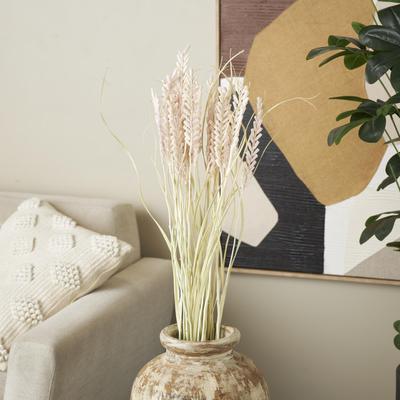
ARCILLA ELEMENTAL Pink or Orange Dried Plant Tall Floral Bouquet Home Decor Natural Foliage with Cream StemsThis pink or orange natural foliage can be used to add visual interest to a variety of settings including living rooms, bedrooms or hallways. This item ships in 1 carton.32,99 $*Shipping: 0,00 $Secure redirect to the provider
-
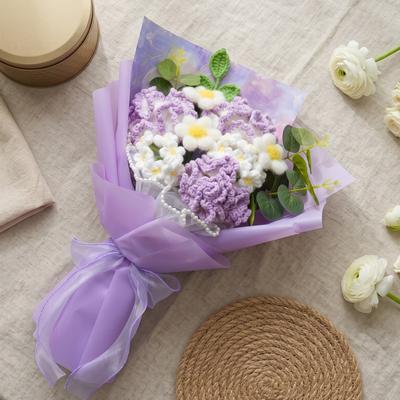
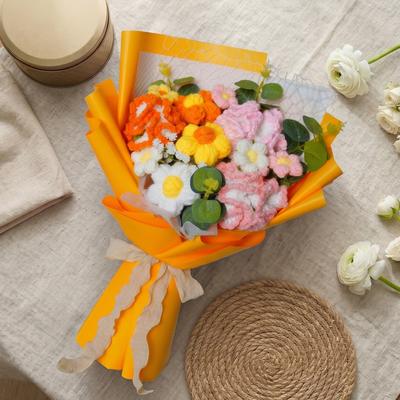
Garvee Crochet Flower Bouquet, Handmade Knitted Floral, Crochet Bouquet Gift for Mom, Wife, Women, Mother's Day, Birthday100% Handcrafted Pink Crochet Florals: Every bloom in this knitted flower bouquet is meticulously handmade by skilled artisans with premium soft acrylic yarn.39,77 $*Shipping: 0,00 $Secure redirect to the provider
-
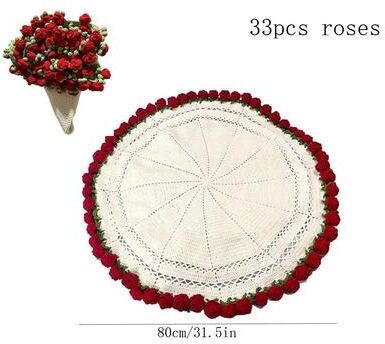
Inspired Finds Floral Bouquet Knit Blanket Soft Lightweight Decorative Throw Gift 31.50inWrap yourself in comfort that feels as thoughtful as a bouquet. This beautifully crafted floral bouquet blanket blends the charm of fresh flowers with the coziness of a soft knit throw, making it perfect for anyone who loves warm, meaningful home...61,99 $*Shipping: 0,00 $Secure redirect to the provider
-
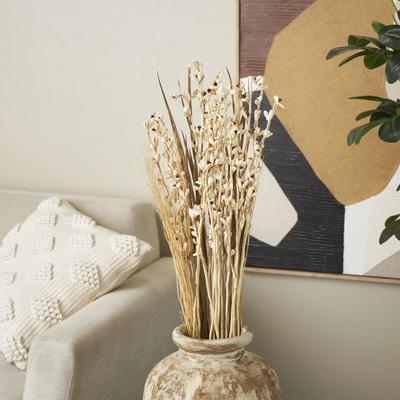
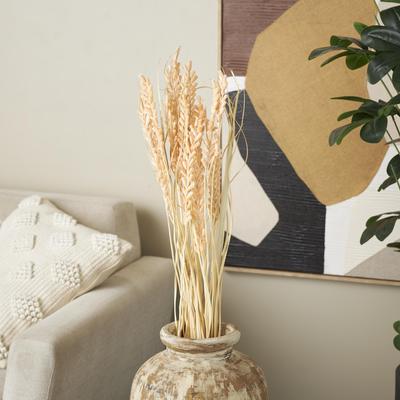
ARCILLA ELEMENTAL Cream Dried Plant Tall Floral Bouquet Home Decor Natural Foliage with Brown StemsThis cream natural foliage can be used to add visual interest to a variety of settings including living rooms, bedrooms or hallways. This item ships in 1 carton.32,99 $*Shipping: 0,00 $Secure redirect to the provider
-
How did the unicellular organism evolve into a multicellular organism?
The evolution of unicellular organisms into multicellular organisms is believed to have occurred through a process called coloniality. Initially, unicellular organisms formed colonies where individual cells worked together for survival. Over time, some cells within these colonies specialized in specific functions, leading to the development of multicellular organisms with different cell types. This specialization allowed for more complex structures and functions, ultimately leading to the evolution of multicellular organisms. **
-
How can a single-celled organism become a multicellular organism?
A single-celled organism can become a multicellular organism through a process called cell aggregation. This occurs when individual cells come together and adhere to each other, forming a multicellular structure. Over time, these cells differentiate and specialize to perform specific functions within the organism, leading to the development of tissues and organs. This process allows the single-celled organism to evolve into a complex, multicellular organism with a higher level of organization and specialization. **
-
How did the single-celled organism develop into a multicellular organism?
The transition from single-celled to multicellular organisms is thought to have occurred through a process called coloniality, where individual cells began to work together and specialize in different functions. This allowed for more efficient resource utilization and increased the organism's ability to adapt to different environments. Over time, these specialized cells became more integrated and developed into the complex multicellular organisms we see today. This transition likely occurred independently in different lineages of organisms, leading to the diverse array of multicellular life forms we see today. **
-
Can viruses transform an entire organism into another similar and permanently viable organism?
No, viruses cannot transform an entire organism into another similar and permanently viable organism. Viruses are not capable of causing such a drastic and complex transformation in an organism. While viruses can cause changes in the host organism's cells and genetic material, they do not have the ability to completely transform one organism into another. The concept of a virus causing such a transformation is more characteristic of science fiction rather than actual scientific understanding of virology. **
Is the blastocyst an organism?
Yes, the blastocyst is considered an organism. It is the stage of development of a fertilized egg before it implants into the uterus. At this stage, the blastocyst is a multicellular structure with specialized cells that will eventually develop into the fetus and placenta. Therefore, the blastocyst can be considered an early stage of an organism's development. **
Is cress a living organism?
Yes, cress is a living organism. It is a type of plant that belongs to the mustard family and is commonly grown for its edible leaves. Like all plants, cress is a living organism that undergoes processes such as photosynthesis, respiration, and growth. It requires water, sunlight, and nutrients to survive and thrive. **
Top-Angebote
Products related to Organism:
-
Garvee Handmade Woven Yarn Artificial Flower Bouquet Gift Set – Decorative Faux Flowers ArrangementHandcrafted Yarn & Paper Bouquet: Beautifully woven with Quality yarn, plastic, and paper for a Distinctive, lifelike look. Thoughtful Gift Set: Comes with a 'Best Wishes' card and elegant gift bag, ready for any special occasion.31,02 $*Shipping: 0,00 $Secure redirect to the provider
-
ARCILLA ELEMENTAL Cream Dried Plant Tall Floral Bouquet Home Decor Natural Foliage with Brown StemsThis cream natural foliage can be used to add visual interest to a variety of settings including living rooms, bedrooms or hallways. This item ships in 1 carton.32,99 $*Shipping: 0,00 $Secure redirect to the provider
-
ARCILLA ELEMENTAL Pink or Orange Dried Plant Tall Floral Bouquet Home Decor Natural Foliage with Cream StemsThis pink or orange natural foliage can be used to add visual interest to a variety of settings including living rooms, bedrooms or hallways. This item ships in 1 carton.32,99 $*Shipping: 0,00 $Secure redirect to the provider
-
Garvee Crochet Flower Bouquet, Handmade Knitted Floral, Crochet Bouquet Gift for Mom, Wife, Women, Mother's Day, Birthday100% Handcrafted Pink Crochet Florals: Every bloom in this knitted flower bouquet is meticulously handmade by skilled artisans with premium soft acrylic yarn.39,77 $*Shipping: 0,00 $Secure redirect to the provider
-
What is a plant single-celled organism?
A plant single-celled organism is a type of organism that is made up of only one cell and has characteristics similar to plants. These organisms can perform photosynthesis, just like plants, using chlorophyll to convert sunlight into energy. Examples of plant single-celled organisms include certain types of algae, such as diatoms and green algae. Despite being single-celled, these organisms can be quite complex and diverse in their structures and functions. **
-
How does a single-celled organism become a multicellular organism?
A single-celled organism can become a multicellular organism through a process called cell division and specialization. Initially, the single cell undergoes multiple rounds of cell division, resulting in a cluster of cells. These cells then start to differentiate and specialize in their functions, forming different types of tissues and organs. Through further cell division, specialization, and coordination, these cells organize themselves into a complex multicellular organism with various cell types working together to perform specific functions. This process is known as cellular differentiation and is essential for the development of multicellular organisms. **
-
How did the unicellular organism evolve into a multicellular organism?
The evolution of unicellular organisms into multicellular organisms is believed to have occurred through a process called coloniality. Initially, unicellular organisms formed colonies where individual cells worked together for survival. Over time, some cells within these colonies specialized in specific functions, leading to the development of multicellular organisms with different cell types. This specialization allowed for more complex structures and functions, ultimately leading to the evolution of multicellular organisms. **
-
How can a single-celled organism become a multicellular organism?
A single-celled organism can become a multicellular organism through a process called cell aggregation. This occurs when individual cells come together and adhere to each other, forming a multicellular structure. Over time, these cells differentiate and specialize to perform specific functions within the organism, leading to the development of tissues and organs. This process allows the single-celled organism to evolve into a complex, multicellular organism with a higher level of organization and specialization. **
Similar search terms for Organism
-
Inspired Finds Floral Bouquet Knit Blanket Soft Lightweight Decorative Throw Gift 31.50inWrap yourself in comfort that feels as thoughtful as a bouquet. This beautifully crafted floral bouquet blanket blends the charm of fresh flowers with the coziness of a soft knit throw, making it perfect for anyone who loves warm, meaningful home...61,99 $*Shipping: 0,00 $Secure redirect to the provider
-
ARCILLA ELEMENTAL Cream Dried Plant Tall Floral Bouquet Home Decor Natural Foliage with Brown StemsThis cream natural foliage can be used to add visual interest to a variety of settings including living rooms, bedrooms or hallways. This item ships in 1 carton.32,99 $*Shipping: 0,00 $Secure redirect to the provider
-
ARCILLA ELEMENTAL Pink or Orange Dried Plant Tall Floral Bouquet Home Decor Natural Foliage with Cream StemsThis pink or orange natural foliage can be used to add visual interest to a variety of settings including living rooms, bedrooms or hallways. This item ships in 1 carton.32,99 $*Shipping: 0,00 $Secure redirect to the provider
-
Garvee Crochet Flower Bouquet, Handmade Knitted Floral, Crochet Bouquet Gift for Mom, Wife, Women, Mother's Day, Birthday100% Handcrafted Pink Crochet Florals: Every bloom in this knitted flower bouquet is meticulously handmade by skilled artisans with premium soft acrylic yarn.38,22 $*Shipping: 0,00 $Secure redirect to the provider
-
How did the single-celled organism develop into a multicellular organism?
The transition from single-celled to multicellular organisms is thought to have occurred through a process called coloniality, where individual cells began to work together and specialize in different functions. This allowed for more efficient resource utilization and increased the organism's ability to adapt to different environments. Over time, these specialized cells became more integrated and developed into the complex multicellular organisms we see today. This transition likely occurred independently in different lineages of organisms, leading to the diverse array of multicellular life forms we see today. **
-
Can viruses transform an entire organism into another similar and permanently viable organism?
No, viruses cannot transform an entire organism into another similar and permanently viable organism. Viruses are not capable of causing such a drastic and complex transformation in an organism. While viruses can cause changes in the host organism's cells and genetic material, they do not have the ability to completely transform one organism into another. The concept of a virus causing such a transformation is more characteristic of science fiction rather than actual scientific understanding of virology. **
-
Is the blastocyst an organism?
Yes, the blastocyst is considered an organism. It is the stage of development of a fertilized egg before it implants into the uterus. At this stage, the blastocyst is a multicellular structure with specialized cells that will eventually develop into the fetus and placenta. Therefore, the blastocyst can be considered an early stage of an organism's development. **
-
Is cress a living organism?
Yes, cress is a living organism. It is a type of plant that belongs to the mustard family and is commonly grown for its edible leaves. Like all plants, cress is a living organism that undergoes processes such as photosynthesis, respiration, and growth. It requires water, sunlight, and nutrients to survive and thrive. **
* All prices are inclusive of VAT and, if applicable, plus shipping costs. The offer information is based on the details provided by the respective shop and is updated through automated processes. Real-time updates do not occur, so deviations can occur in individual cases. ** Note: Parts of this content were created by AI.